
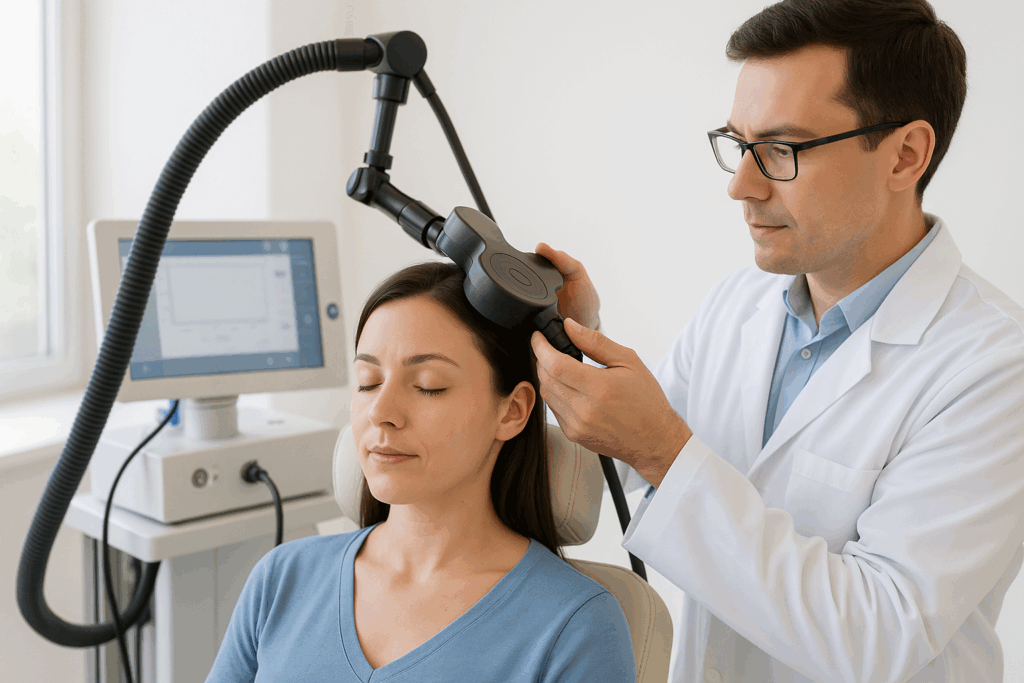
Mental health treatment has evolved far beyond traditional medication-only approaches. Today, many psychiatrists combine advanced neurological therapies with comprehensive care plans to address complex conditions like depression, anxiety, and obsessive-compulsive disorder. One of the most promising innovations in modern psychiatry is TMS Treatment for Mental Health. This non-invasive therapy stimulates targeted brain regions associated with mood regulation and cognitive function. When integrated into General Psychiatry Treatment, TMS can help patients who have not experienced sufficient relief from medication or psychotherapy alone.
At clinics offering Integrative Psychiatry Services, TMS is rarely used as a standalone intervention. Instead, it becomes part of a coordinated treatment plan that may include therapy, lifestyle strategies, medication management, and sometimes carefully supervised supplements for mental health. For patients seeking advanced mental health care in Coral Springs, understanding how TMS fits into psychiatric treatment plans can help clarify why this therapy has become such an important option.
Understanding TMS Treatment for Mental Health in Modern Psychiatry
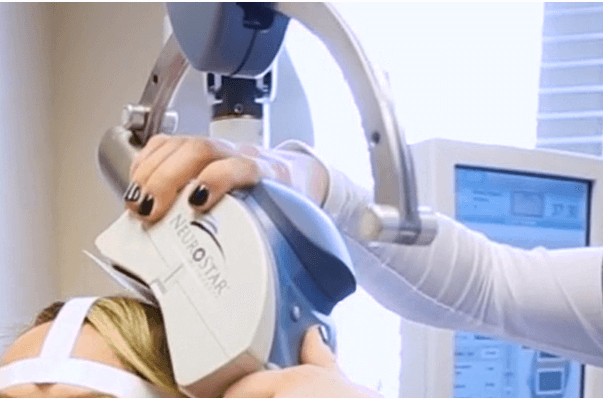
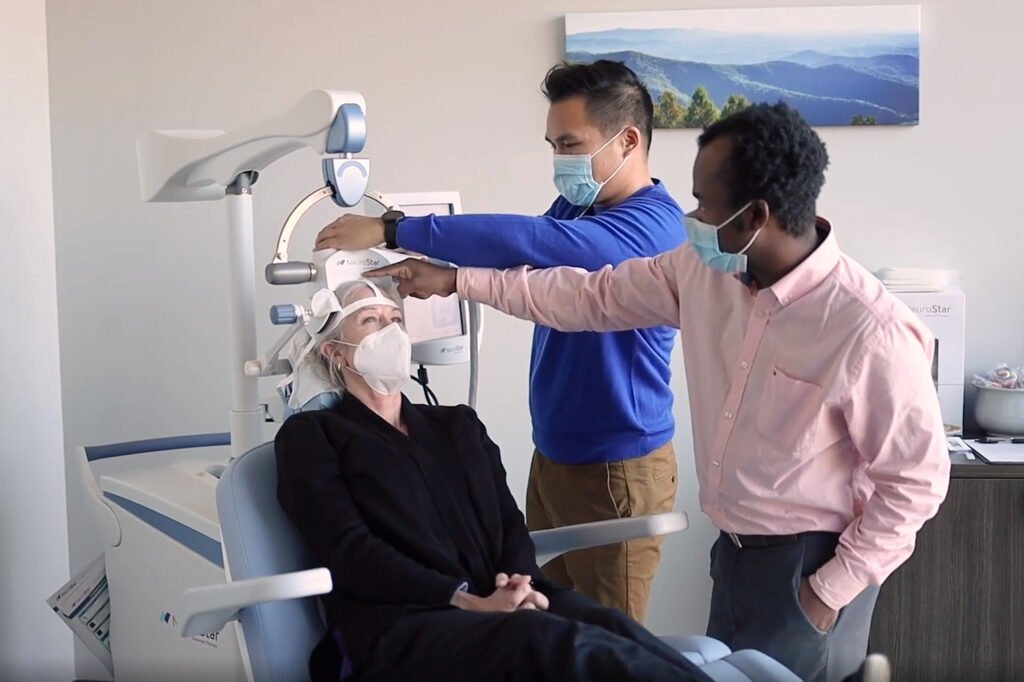
Transcranial Magnetic Stimulation (TMS) Treatment is a non-invasive procedure that uses magnetic pulses to stimulate specific areas of the brain responsible for mood and emotional regulation.
The treatment is typically recommended for individuals experiencing:
-
Major depressive disorder
-
Treatment-resistant depression
-
Persistent anxiety symptoms
-
Certain cases of Obsessive Compulsive Disorder (OCD) Care
Unlike medication, TMS directly targets neural circuits involved in mood disorders. This approach allows psychiatrists to address the neurological components of mental illness without systemic side effects often associated with antidepressants. A Depression Treatment Specialist or psychiatrist in Coral Springs FL may recommend TMS when traditional treatments have not produced adequate improvement.
Why General Psychiatry Treatment Plans Are Expanding Beyond Medication
Psychiatric care today focuses on personalization rather than a one-size-fits-all model. Many individuals experiencing depression or anxiety have already tried multiple treatments before exploring TMS.
That is why General Psychiatry Treatment now often includes a combination of:
-
Psychiatric evaluation
-
Medication management
-
Psychotherapy referrals
-
Lifestyle and wellness planning
-
Advanced therapies like TMS Treatment for Mental Health
This layered approach improves outcomes because mental health conditions rarely have a single cause. Biological factors, lifestyle patterns, trauma history, and environmental stress all contribute to how symptoms develop and persist. A comprehensive psychiatric plan ensures that each of these factors is considered.
The Role of Personalized TMS Care in Psychiatric Treatment Plans
Personalized TMS Care Starts With a Detailed Psychiatric Assessment
Before TMS is recommended, psychiatrists conduct a thorough evaluation. This assessment helps determine whether TMS is appropriate and how it should be incorporated into the overall treatment plan.
During the evaluation, clinicians typically examine:
-
Symptom history and severity
-
Previous treatment responses
-
Medical conditions
-
Medication tolerance
-
Co-existing disorders such as anxiety or OCD
-
Lifestyle factors affecting mental health
Practices offering integrative psychiatry services in Florida often place strong emphasis on this evaluation stage because it guides the entire treatment strategy.
Personalized TMS Care Improves Treatment Precision
When TMS becomes part of a treatment plan, it is carefully tailored to the patient’s needs. Psychiatrists may adjust treatment protocols depending on the condition being treated.
For example:
-
Depression protocols target specific prefrontal brain regions.
-
OCD-related protocols may stimulate different neural pathways.
-
Anxiety treatment may combine TMS with therapy strategies.
This level of customization is why TMS Treatment for Mental Health works best when supervised by experienced psychiatric professionals.
How Integrative Psychiatry Services Support TMS Outcomes
Clinics offering Integrative Psychiatry Services aim to treat the whole person rather than focusing solely on symptoms. This philosophy aligns well with TMS therapy. Several supportive strategies may accompany TMS treatment.
Lifestyle and Wellness Optimization
Mental health recovery is influenced by sleep quality, stress levels, and nutrition. Psychiatrists often help patients improve these factors during treatment.
Nutritional Support and Supplements
Patients frequently ask about mental wellness supplements or the best vitamins for mental health. While supplements are not replacements for medical treatment, certain options may support overall wellness when recommended by a qualified professional.
Examples sometimes discussed in psychiatric settings include:
-
Nutritional support for brain function
-
Carefully selected mental health supplements
-
Addressing deficiencies that affect mood
However, supplements such as a reacted iron supplement or other nutritional products should only be used under medical supervision.
Coordinated Therapy
TMS addresses brain activity patterns, while psychotherapy helps patients develop healthier thought patterns and coping strategies. Combining both can improve long-term outcomes.
Conditions That May Benefit From TMS in General Psychiatry
Psychiatrists often incorporate TMS into treatment plans for several conditions.
Depression
TMS is widely recognized as an effective option for treatment-resistant depression. Many patients seeking depression treatment in Coral Springs explore this therapy after medication trials.
Anxiety Disorders
Although research continues to evolve, TMS may be incorporated into broader Anxiety Disorder Therapy programs when symptoms overlap with depression.
Obsessive-Compulsive Disorder
Specialized protocols exist for Obsessive Compulsive Disorder (OCD) Care, particularly for individuals who have not responded to standard treatments.
Personality and Complex Mood Disorders
Individuals experiencing personality disorders or complex mood patterns may benefit when TMS is integrated with psychotherapy and psychiatric support.
Benefits of Integrating TMS Into Psychiatric Treatment Plans
When used appropriately, TMS provides several advantages within psychiatric care.
1. Non-invasive treatment option
No anesthesia or surgical procedures are required.
2. Reduced medication side effects
Patients sensitive to antidepressants may benefit from a non-systemic treatment approach.
3. Improved treatment outcomes
Combining TMS with psychiatric care often produces stronger long-term results.
4. Structured treatment schedule
TMS sessions follow a consistent schedule, helping patients maintain engagement in their care.
Expert Insights
Patients considering TMS Treatment for Mental Health should keep a few important points in mind.
Consistency matters
Treatment requires regular sessions over several weeks.
Psychiatric supervision is essential
TMS should always be part of a supervised mental health plan.
Holistic care improves results
Patients who combine TMS with therapy, medication adjustments, and wellness strategies often experience stronger outcomes.
Clinics led by experienced psychiatrists such as Dr. Diana Bleyan, Diana Bleyan MD, or other professionals specializing in psychiatry in Coral Springs, FL often emphasize this comprehensive care model.
Common Misunderstandings About TMS Therapy
Even though TMS has gained popularity, several misconceptions still exist.
Myth: TMS replaces all psychiatric treatment
In reality, TMS is most effective when integrated into a broader treatment strategy.
Myth: TMS works instantly
Improvement typically occurs gradually over several weeks.
Myth: Supplements can replace medical care
While patients often ask what the best supplements for mental health are, supplements should never replace professional psychiatric treatment.
Myth: TMS is only for depression
Research and clinical practice continue expanding their use for multiple conditions.
Final Thoughts
Mental health treatment is moving toward more personalized and comprehensive strategies. TMS Treatment for Mental Health represents one of the most promising advancements in psychiatric care, particularly for patients who have not responded well to traditional treatments. When incorporated into General Psychiatry Treatment, TMS becomes far more than a standalone therapy. It becomes part of a broader recovery plan that includes therapy, medication management, lifestyle support, and individualized care.
For individuals searching for a Coral Springs psychiatrist, psychiatrist in Coral Springs, or specialized mental health care in Coral Springs, working with a clinic that integrates TMS with modern psychiatric care can provide a powerful path toward recovery. If you are exploring advanced mental health treatment options, consulting a qualified Psychiatrist in Coral Springs, FL who offers Integrative Psychiatry Services may help you determine whether TMS therapy is the right step in your treatment journey.
For more updates and details, visit our Instagram Page!
Frequently Asked Questions
Is TMS Treatment for Mental Health safe?
Yes. TMS is considered a safe and FDA-approved treatment for depression and certain other conditions. It is non-invasive and does not require anesthesia.
How long does TMS therapy usually take?
Most treatment programs involve sessions five days per week for four to six weeks, although the exact schedule may vary depending on the patient.
Can TMS replace antidepressant medication?
Not always. Some patients continue medication during treatment, while others may reduce medication under psychiatric supervision.
Do insurance providers cover TMS therapy?
Many insurance-friendly TMS centers offer coverage options, especially for treatment-resistant depression. Coverage varies by provider.
Can TMS help anxiety and OCD symptoms?
In certain cases, yes. Psychiatrists may incorporate TMS into broader treatment plans for anxiety or OCD therapists in Coral Springs programs.

No comment