
Quitting smoking is a challenging journey, especially for individuals dealing with depression and anxiety. Traditional treatments like counseling and nicotine replacement therapies often help, but some patients need more targeted interventions. TMS therapy for depression has emerged as a promising approach that not only alleviates mood disorders but also supports smoking cessation as part of integrative psychiatry services.
What is TMS Therapy for Depression?
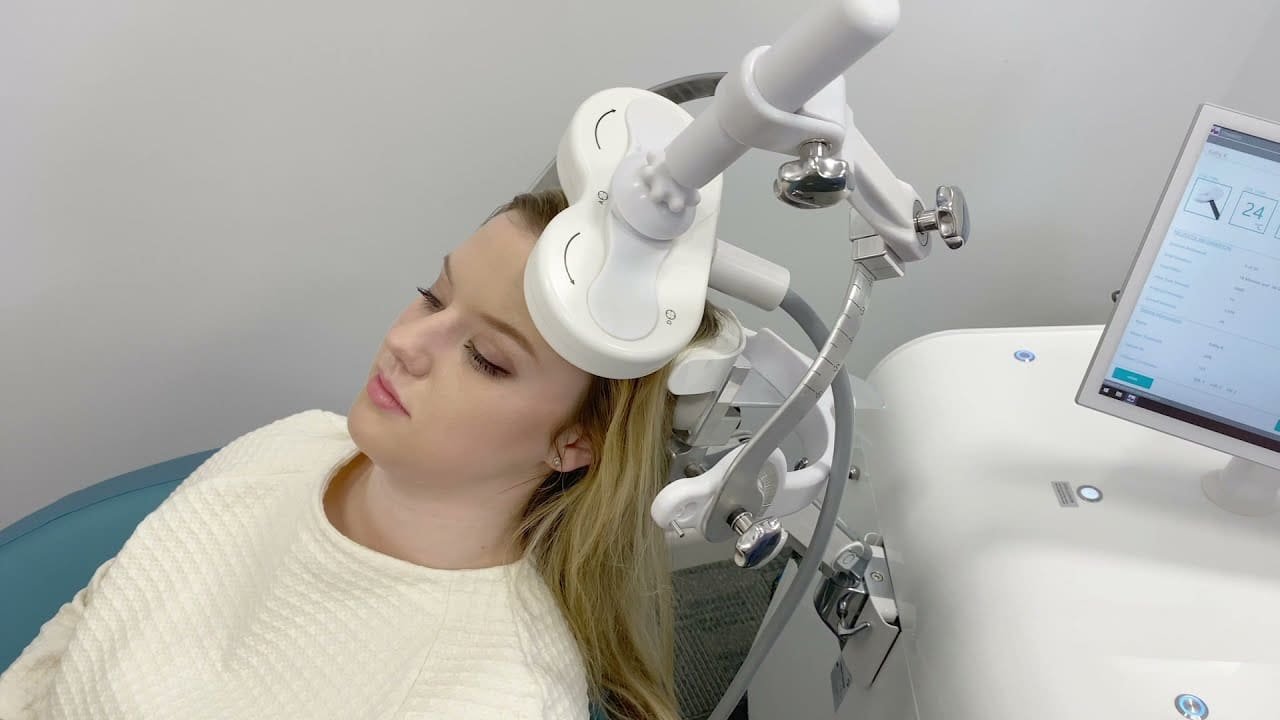
Transcranial Magnetic Stimulation (TMS) is a non-invasive neuromodulation therapy designed to stimulate specific brain regions linked to mood regulation. Unlike medications, TMS doesn’t involve systemic side effects, making it an appealing option for patients seeking general psychiatry treatment with minimal risk.
Through repetitive magnetic pulses, TMS therapy can improve neural activity in areas affected by depression, which often plays a role in nicotine addiction. Studies suggest that enhancing mood and reducing depressive symptoms can indirectly lower the urge to smoke, offering dual benefits in mental health care.

How Does TMS Support Smoking Cessation?
Smoking is often linked to self-medication for anxiety and depression. By targeting the brain’s reward and motivation circuits, TMS therapy for depression can reduce cravings and improve mood stability. Patients receiving Transcranial Magnetic Stimulation (TMS) treatment often report improved impulse control and decreased reliance on nicotine as a coping mechanism.
Psychiatrists in Coral Springs, FL, integrate TMS with anxiety disorder therapy and supplements for mental wellness to provide a comprehensive approach. This combination addresses both the psychological and physiological aspects of smoking addiction.
The Process of TMS for Smoking Cessation
-
Initial Psychiatric Evaluation and Counseling – Before TMS, a licensed psychiatrist conducts a thorough assessment to determine suitability.
-
Personalized Treatment Planning – Sessions are customized based on the patient’s depression severity, smoking habits, and co-occurring conditions like OCD.
-
TMS Sessions – Patients typically undergo daily 20–40 minute sessions over several weeks. Magnetic pulses target brain regions linked to mood and reward pathways.
-
Integrative Support – TMS is combined with cognitive behavioral therapy (CBT) and mental wellness programs to maximize outcomes.
Benefits of Combining TMS Therapy with Smoking Cessation Programs
-
Reduced Depressive Symptoms – Alleviates mood disorders that trigger nicotine cravings.
-
Non-Invasive and Safe – Minimal side effects compared to pharmacological alternatives.
-
Enhanced Focus and Motivation – Patients feel more capable of adhering to cessation plans.
-
Holistic Mental Health Care – Integrated with psychiatric evaluation, therapy for mood disorders, and anxiety and stress management strategies.
Expert Insights and Practical Tips
-
Consistency is key. Most patients notice improvements after 2–4 weeks of TMS therapy.
-
Combining TMS with OCD care and other behavioral therapies increases success rates.
-
Patients should maintain healthy lifestyle practices, including exercise, proper sleep, and nutrition, to reinforce neural benefits.
Common Challenges and Misconceptions
-
Expectation of Immediate Results – TMS is effective, but results develop gradually.
-
Not a Standalone Cure – TMS works best when combined with psychotherapy and lifestyle modifications.
-
Accessibility Concerns – Finding a licensed psychiatrist near me offering TMS might require research.
Conclusion
TMS therapy for depression offers a promising path for patients seeking relief from mood disorders while addressing smoking addiction. When combined with integrative psychiatry services, behavioral therapy, and wellness programs, it empowers patients to achieve sustainable mental and physical health improvements.
If you’re struggling with depression and nicotine dependence, consider consulting a depression treatment specialist or psychiatrist in Coral Springs FL, to explore TMS as part of your mental wellness journey.
For more updates and details, visit our Instagram Page!
FAQs
1. Can TMS completely stop smoking?
TMS helps reduce cravings and depressive triggers but works best alongside behavioral therapy and support programs.
2. Is TMS therapy safe for everyone?
Most patients tolerate it well, but individuals with metal implants in the head or severe neurological conditions may not be candidates.
3. How long do the effects last?
Many patients maintain improved mood and reduced nicotine dependence for months, especially when combined with ongoing counseling.
4. Does insurance cover TMS therapy?
Coverage varies. Some plans cover it for treatment-resistant depression, which may include benefits for smoking cessation support.
5. How soon will I notice improvements in mood or cravings?
Many patients notice subtle improvements within 2–4 weeks of regular sessions.



No comment