It is wearying to survive with depression or anxiety. On certain days, it is difficult to get out of bed, concentrate, or even enjoy things you used to enjoy. Drugs are effective in a few individuals, not all of them, and their side effects are frustrating. This is where Transcranial Magnetic Stimulation (TMS) is used. It is a non-invasive treatment that directly aims at the brain which is modern. However, what makes doctors know precisely where to apply the magnetic pulses to get optimum results? The answer is brain mapping
At BleyanPsych, we include brain mapping as part of our Integrative Psychiatry Services, making sure TMS is precise, effective, and tailored to each patient. Let’s break it down and see how it works, and why it’s important for General Psychiatry Treatment and Anxiety Disorder Therapy.
What Is TMS?
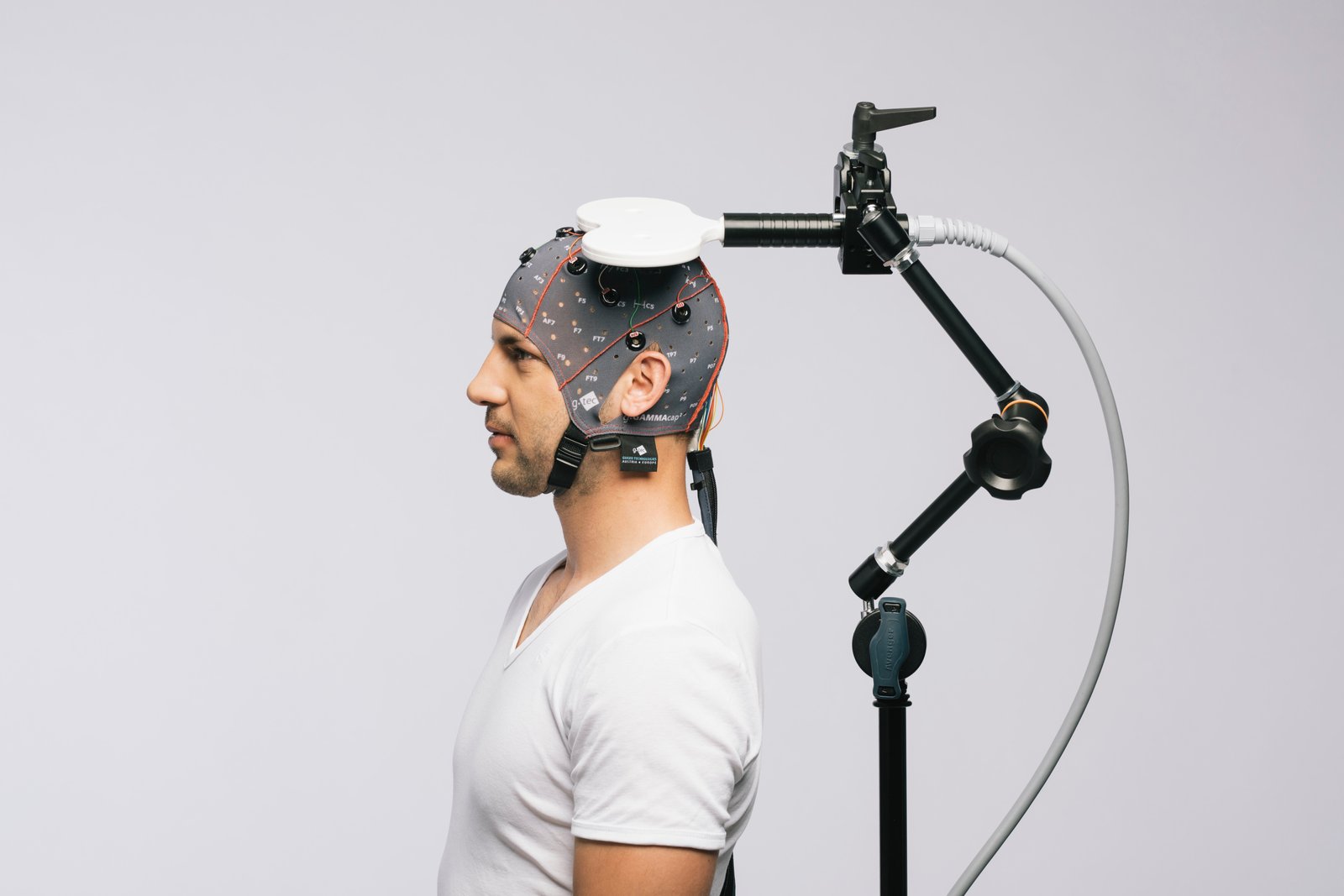
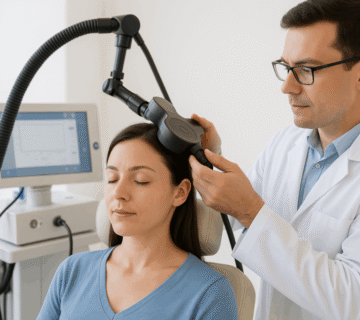
TMS uses magnetic pulses to stimulate areas of the brain that control mood and anxiety. Think of it as giving your brain a gentle nudge to help it work better.
Unlike medications that change brain chemistry, TMS works directly on brain circuits. This precision can lead to faster and more noticeable improvements.
Some benefits of TMS include:
- Non-invasive – No needles or surgery
- Medication-free – Great if pills haven’t worked
- Targeted – Hits the right brain areas for mood and anxiety
With the right mapping, TMS can make a big difference in your mental health.
Why Brain Mapping Matters
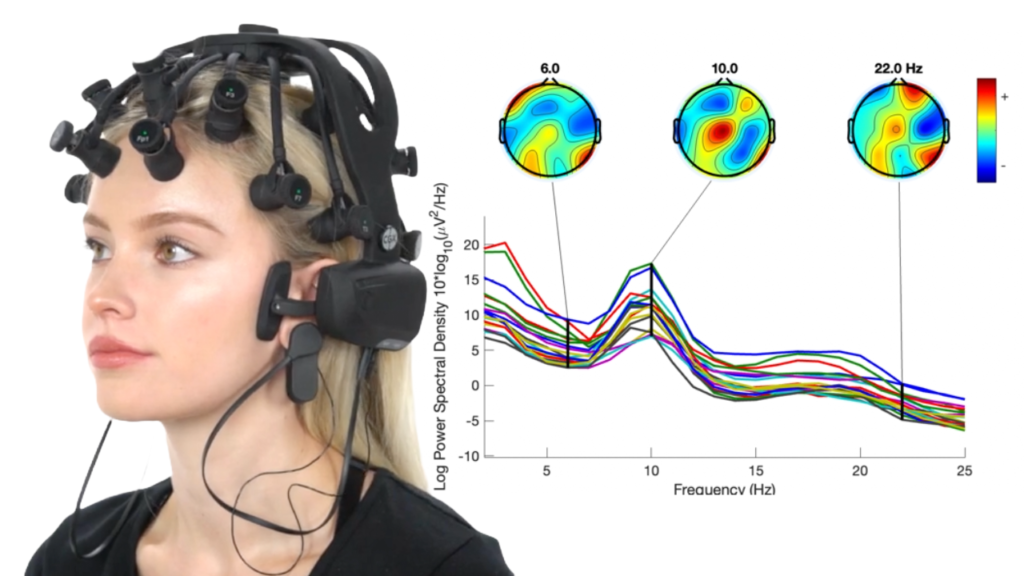
You might wonder: “Can’t the coil just go anywhere?” Not exactly. Every brain is unique. Different areas control mood, energy, and anxiety. Brain mapping helps doctors find the exact spot for the pulses.
Benefits of brain mapping:
- Precision – Stimulates the correct brain region
- Consistency – Accurate placement for every session
- Personalization – Adjusted for your brain
- Better results – More effective symptom relief
Without accurate mapping, TMS may not work as well. That’s why it’s so important in General Psychiatry Treatment.
How Brain Mapping Works
Brain mapping is simple and painless. Here’s what happens:
- Consultation – Your doctor reviews your history, symptoms, and past treatments.
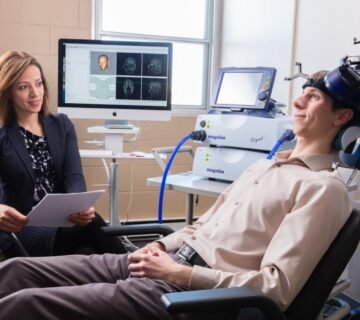
- Motor Threshold Test – Small pulses are applied to the part of your brain that moves your fingers. This helps calibrate the TMS machine for you.
- Finding the Target – Using the test results, doctors locate the dorsolateral prefrontal cortex (DLPFC), which is important for mood.
- Optional Imaging – Some clinics use MRI or neuronavigation for even more precise mapping.
- Trial Pulses – Before full treatment, small test pulses ensure comfort and accuracy.
This process makes sure every session is effective and personalized.
How Accurate Mapping Improves Results
When the right area is targeted, TMS can help:
- Reduce depression symptoms
- Improve mood and energy
- Calm anxiety, supporting Anxiety Disorder Therapy
- Boost focus and motivation
Accurate mapping means every session builds on the last, giving better long-term results.
TMS in Integrative Psychiatry Services
At BleyanPsych, TMS is part of a full care plan. Our Integrative Psychiatry Services combine TMS with therapy, lifestyle support, and regular monitoring.
With this approach, patients can:
- Address depression and anxiety together
- Track progress and adjust treatment
- Reduce reliance on medications if suitable
- Get personalized, long-term care
This makes TMS not just a treatment, but part of a complete mental wellness plan.
TMS and Anxiety
Many people with depression also struggle with anxiety. TMS can help here, too. By stimulating the right brain areas, it calms overactive circuits that cause worry and tension.
Benefits for anxiety include:
- Feeling calmer and more in control
- Sleeping better
- Handling stress more easily
- Making therapy more effective
Often, as depression lifts, anxiety improves too.
What to Expect During TMS
Here’s a typical TMS journey:
- Consultation – Doctor reviews history and symptoms
- Brain Mapping – Motor threshold and target area identified
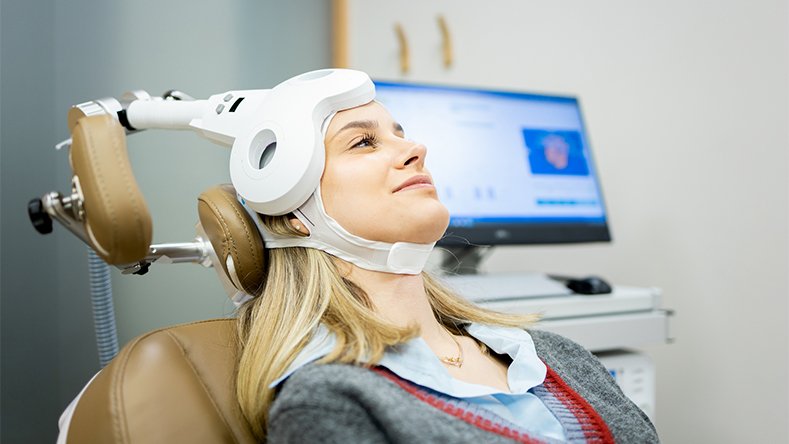
- Treatment Sessions – Usually daily sessions for several weeks, 20–40 minutes each
- Check-ins – Regular progress reviews and adjustments
- Maintenance – Occasional booster sessions if needed
Each plan is tailored to the patient, making the treatment as effective as possible.
Tips to Maximize TMS Benefits
- Attend every session
- Combine TMS with therapy
- The three activities of maintaining proper sleep, dietary habits, and exercise routines need to be maintained
- The process requires you to monitor your emotional state together with your energy levels
- You need to share your side effects and additional concerns with your healthcare provider through open communication
- The small steps you take will enable you to achieve maximum benefits from TMS treatment.
Conclusion
TMS provides a secure and non-invasive method that effectively treats both depression and anxiety disorders. The treatment process uses brain mapping to achieve accurate specifications that match the treatment needs of each individual patient. The BleyanPsych center offers TMS through their Integrative Psychiatry Services, which combine this treatment with therapeutic programs and lifestyle assistance to create an all-encompassing mental health treatment method. TMS provides a solution for people who experience depression or anxiety because it enables them to regain control of their lives.
For more updates and details, visit our Instagram Page!
FAQs
1. What is brain mapping in TMS?
It determines the specific brain regions of regulating mood and anxiety, and thus treatment is specific.
2. Is TMS effective in treating both anxiety and depression?
Yes. Both symptoms can be enhanced by the use of properly targeted TMS Treatment.
3. What is the quickest time I can see results?
Others can observe any change in a matter of few weeks yet overall benefits can be seen after the treatment course.

No comment