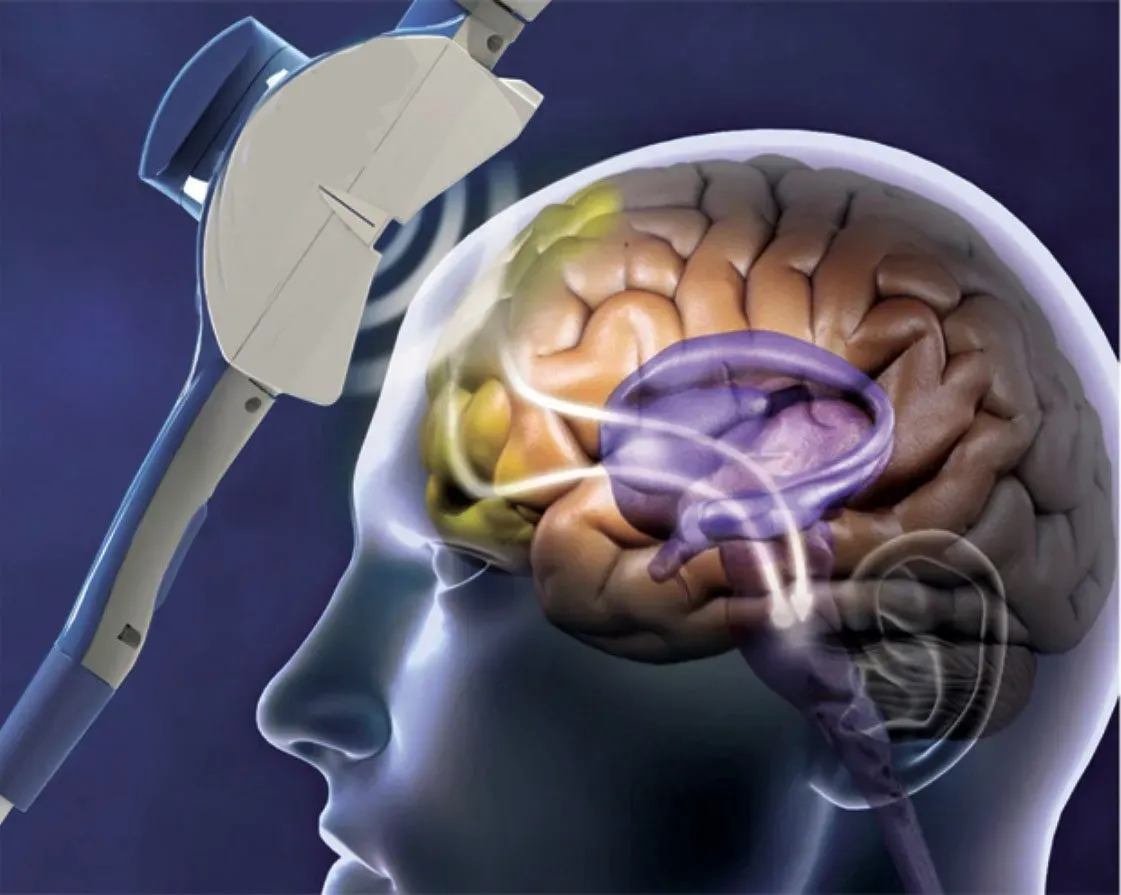
That is where Transcranial Magnetic Stimulation (TMS) is involved. It is a treatment that is transforming how we are dealing with depression- without using drugs. Integrative Psychiatry Services at Bleyanpsych, TMS is used with personalized care services to get the patients feeling better and take charge of their lives. We can deconstruct the TMS, its operation, and why it is gaining popularity as a therapy among individuals experiencing depression and anxiety.
What Exactly Is TMS?
Know your brain as a road system. During depressions, some of these roads are blocked or the road traffic is slowed down hence it is difficult to make your mood go up. TMS is a kind of traffic cop, which activates particular regions to facilitate easier passage of the messages. Here’s what makes it special: No surgery, no needles:
Totally non-invasive. No drugs: Perfect in people who do not respond to antidepressants. Accurate targeting: Activates the mood and anxiety-associated areas of the brain. It is safe, has support in the scientific field, and even small improvements can be observed by many people just after several sessions.
How a TMS Session Feels
You might wonder, “Does it hurt?” or “Is it complicated?” In reality, it’s simple and gentle.
- Meeting the Psychiatrist
First, you sit down with a specialist who reviews your history, symptoms, and goals. This step ensures TMS is the right fit for you. - Finding the Spot
The doctor identifies the exact area to stimulate, usually the left side of the brain, which plays a big role in mood. - The Session
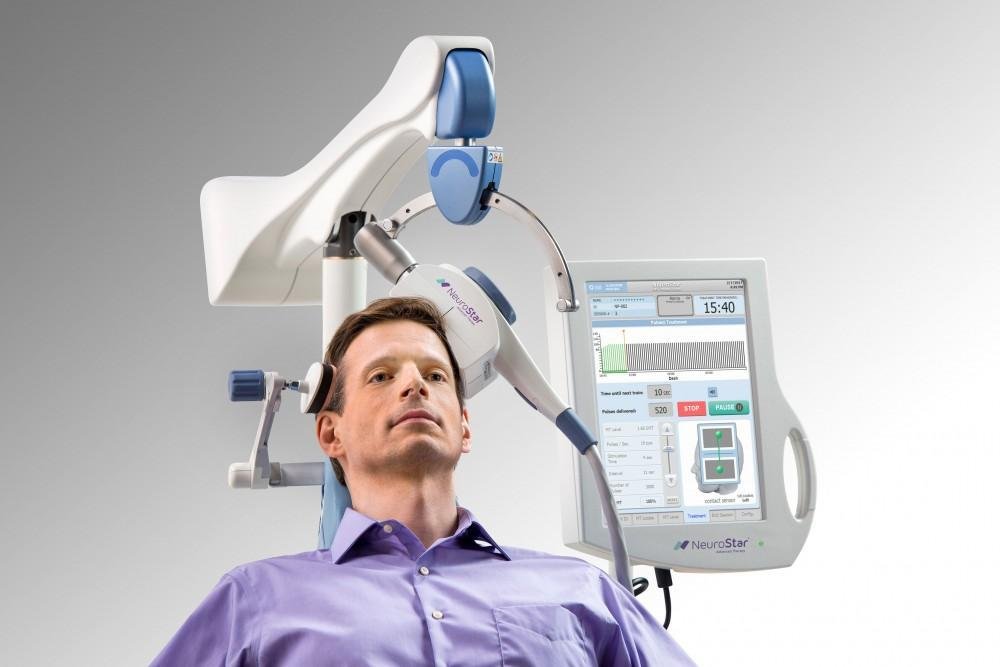
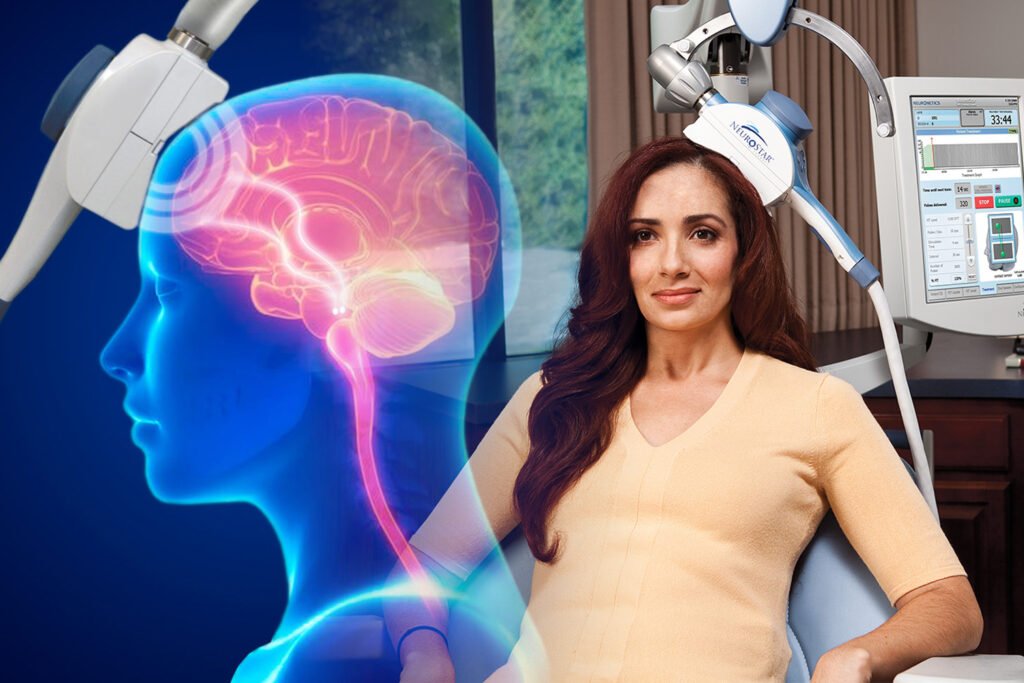
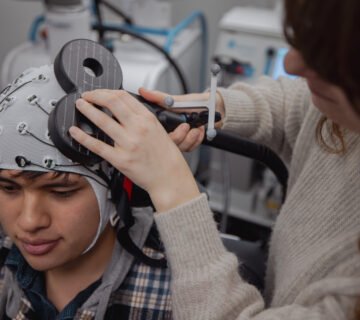
A small coil is placed on your head. You feel a light tapping or clicking, like a rhythmic pulse. Most people find it completely manageable. - Duration
Each session lasts about 20–40 minutes, usually repeated several times over a few weeks. - Tracking Progress
Your doctor checks in regularly to see how you’re feeling and makes adjustments if needed.
It’s structured but easy—almost like a wellness appointment for your brain.
Why TMS Can Make a Difference
TMS works differently than traditional treatments. Some benefits patients notice include:
- Less reliance on medications
- Mild side effects like tingling or mild headaches
- Noticeable mood improvements in a few weeks
- Reduced anxiety symptoms
- Long-term benefits when paired with therapy
For many people, especially those who’ve tried multiple medications without success, TMS can be a real game-changer.
TMS vs. Other Treatments
| Feature | TMS | Medications | Therapy |
|---|---|---|---|
| How it works | Magnetic stimulation | Chemical changes | Talk therapy |
| Side effects | Mild, rare | Fatigue, nausea, weight changes | Minimal |
| Speed of relief | Weeks | Weeks to months | Varies |
| Helps resistant depression? | Yes | Sometimes | Sometimes |
| Helps anxiety? | Supports therapy | Indirect | Direct |
Using TMS as part of Integrative Psychiatry Services gives patients a full, flexible plan for mental health recovery.
Who Benefits Most From TMS?
TMS is especially helpful if you:
- Struggle with moderate to severe depression
- Haven’t seen results from medications
- Want a non-drug option
- Experience anxiety alongside depression
- Are looking for a holistic General Psychiatry Treatment plan
When combined with therapy, lifestyle changes, and ongoing support, TMS can improve mood, energy, and overall quality of life.
TMS and Anxiety
Did you know TMS can also help anxiety? Depression and anxiety often go hand-in-hand, and TMS can calm overactive brain circuits that contribute to worry and tension.
Some benefits include:
- Feeling calmer and more focused
- Sleeping better at night
- Handling stress more effectively
- Supporting therapy for stronger results
Many patients notice that as their depression lifts, anxiety symptoms improve too.
A Typical TMS Journey
In this direction it would appear to you: Consultation: Visit the doctor, talk about the past and the objectives. Baseline Evaluation: Monitor mood and anxiety prior to commencing. Frequent Sessions: 4-6 weeks, 5 days a week. Progress Check-ins: Changes and assistance in between. Maintenance: Infrequent booster sessions can be prescribed. It is organized, yet every plan is made individual.
Common Questions About TMS
Is TMS safe?
Yes, it’s FDA-approved. Most side effects are mild and temporary.
Will it interfere with my daily life?
Not at all. You can go back to work or daily activities right after a session.
Does it hurt?
Most people just feel a light tapping or clicking. It’s not painful.
How soon will I notice improvements?
Some people feel better after a few weeks; full results are seen after completing the treatment course.
Can I combine TMS with therapy or medications?
Yes. TMS works best as part of a larger Integrative Psychiatry Services plan.
Why Bleyanpsych Is Different
At BleyanPsych, we treat the whole person, not just the symptoms.
- Experienced psychiatrists who know TMS inside out
- Custom plans combining TMS, therapy, and lifestyle guidance
- Ongoing support throughout your mental health journey
- Focus on long-term wellness, not just quick fixes
By including TMS in General Psychiatry Treatment and Anxiety Disorder Therapy, we help people regain control over their lives without relying solely on medications.
Tips to Get the Most Out of TMS
Stick to your timetable of the sessions. TMS is best used to treat depression when used together with therapy. Sleep, diet, and exercise. Track your mood and energy Share your provider with your concerns. Even such minor steps might be a significant contribution to the effectiveness of TMS in your case.
Conclusion
TMS is not only a treatment but also a way of feeling like yourself once again. It provides a safe, effective, and personalized treatment of depression and anxiety without medications, which is combined with Integrative Psychiatry Services at bleyanpsych. You or someone you care about are struggling, and you need to consider TMS. It may be a relief that you have been anticipating. Call BleyanPsych and find out more and to make a consultation now.
For more updates and details, visit our Instagram Page!
FAQs
1. How long is a TMS session?
About 20–40 minutes.
2. Can TMS be combined with medications?
Yes, it works well alongside medications or therapy.
3. Does TMS help with anxiety?
Yes, it can reduce anxiety symptoms while supporting therapy.

 Can Help Treat Depression Without Medications)
No comment