
Mental Wellness is not a trend. It’s not something you “fix” in a week. And it definitely isn’t something that comes from a single capsule, no matter how convincing the label looks.
Yet, almost every week, people ask the same question:
“Is there a supplement I can take for anxiety?”
“Is there something natural that helps depression?”
The short answer? Sometimes supplements help. Often they don’t. And sometimes, they actually make things worse.
At BleyanPsych, we see this pattern all the time. People try supplements first. Then another one. Then another. By the time they reach proper General Psychiatry Treatment, they’re exhausted, confused, and disappointed that nothing really worked the way it was promised.
So let’s talk honestly without hype, fear, or sales language.
Mental Health Is More Than a Chemical Problem
Anxiety and depression are not just about low serotonin or missing nutrients. They involve how someone thinks, reacts, sleeps, processes emotions, handles stress, and deals with past experiences.
This is why Anxiety Disorder Therapy and psychiatric care exist. They look at the full picture, not just one symptom.
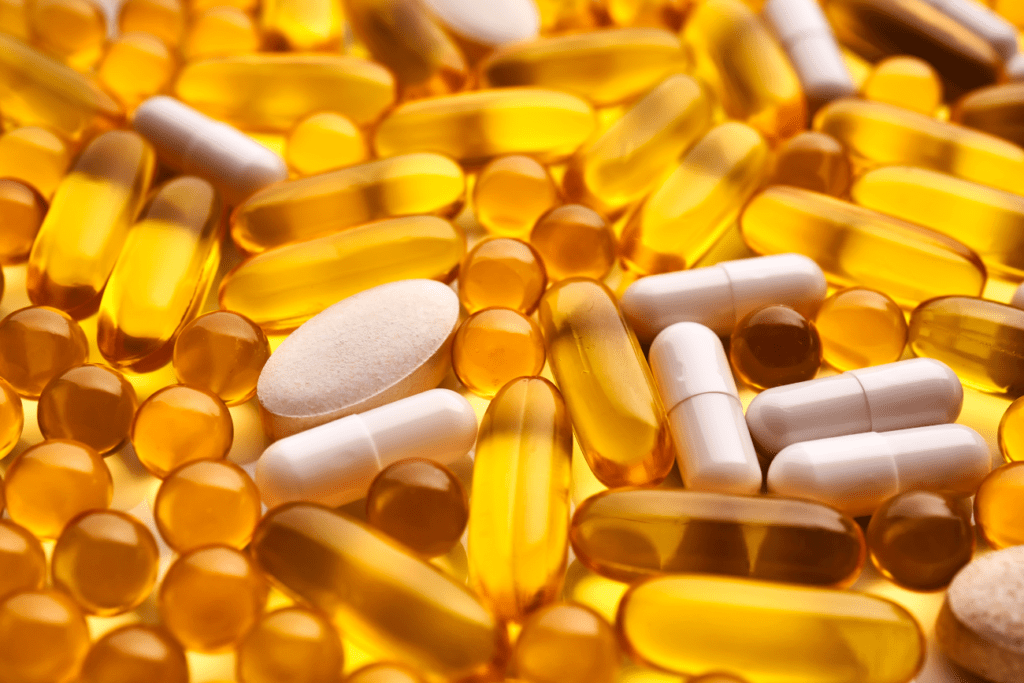
Supplements can support mental health in very specific situations.
They cannot replace:
- Therapy
- Proper diagnosis
- Medication when needed
- Long-term coping skills
That’s where people usually get misled.
Why Supplements Feel Like the “Easier Option”
When someone is struggling emotionally, they’re usually tired. Tired of overthinking. Tired of feeling low. Tired of explaining themselves. Supplements feel simple. No appointments. No talking. No waiting. But mental health doesn’t work like that. Just because something is sold without a prescription doesn’t mean it’s harmless, especially if you’re already under General Psychiatry Treatment or taking psychiatric medication.
Supplements That May Offer Some Support
Notice the word may. That’s intentional. These supplements don’t cure anxiety or depression. In some people, they gently support the nervous system, that’s it.
Omega-3 Fatty Acids
Omega-3s support brain health in general. Some people notice slightly better emotional balance over time.
They are sometimes recommended alongside General Psychiatry Treatment, especially when diet is lacking. They don’t replace therapy. They don’t fix depression. They support overall brain function.
That’s all.
Magnesium
Magnesium often helps the body side of anxiety — tight muscles, restlessness, poor sleep.
For people in Anxiety Disorder Therapy, magnesium can sometimes reduce physical tension, which makes therapy easier to engage in.
It won’t stop anxious thoughts. It won’t rewire thinking patterns.
Vitamin D
Low vitamin D levels are common, especially in people who spend most of their time indoors.
When deficiency is confirmed, supplementation may support mood and energy levels. A Depression Treatment Specialist usually checks this before recommending it.
Guessing and self-prescribing isn’t helpful here.
B-Complex Vitamins
B vitamins support energy and nervous system function. They can help with fatigue and mental exhaustion.
They are supportive tools not treatment.
Anyone expecting major mood changes from B vitamins alone usually ends up disappointed.
L-Theanine
L-theanine helps some people feel calmer without feeling sleepy. It can be useful for mild stress or racing thoughts.
In Anxiety Disorder Therapy, it may help people feel just calm enough to focus but it doesn’t address the root cause of anxiety.
Supplements That Commonly Cause Problems
This is where caution really matters.
St. John’s Wort
This supplement interferes with many psychiatric medications. It’s one of the biggest reasons psychiatrists ask patients about supplements.
For anyone receiving General Psychiatry Treatment, this is a major red flag unless explicitly approved by a psychiatrist.

Kava
Kava is often promoted for anxiety. What people don’t talk about enough is the risk to liver health and its interaction with medications.
There are safer, more effective ways to manage anxiety through Anxiety Disorder Therapy.
5-HTP
Because it affects serotonin, 5-HTP can become dangerous when combined with antidepressants.
A Depression Treatment Specialist would never recommend taking this casually.
“Mood Support” Blends
These are some of the most misleading products on the market. Multiple ingredients. Vague doses. Big promises.
They often interfere with General Psychiatry Treatment rather than helping it.
Why Supplements Alone Don’t Create Real Change
Supplements don’t:
- Process trauma
- Teach emotional regulation
- Improve coping skills
- Change unhealthy thinking
That’s why Anxiety Disorder Therapy exists. Therapy helps people understand themselves, not just numb symptoms.
At BleyanPsych, treatment isn’t about quick fixes. It’s about helping people build stability that actually lasts.
Using Supplements Responsibly
If someone is considering supplements, the safest approach is simple:
- Talk to a psychiatrist first
- Don’t stack multiple supplements
- Watch for mood or sleep changes
- Consider medication interactions
A Depression Treatment Specialist can help decide whether supplements make sense or if something else needs attention first.
Professional Care Makes the Difference
Supplements don’t diagnose conditions.
They don’t adjust treatment plans.
They don’t notice warning signs.
General Psychiatry Treatment does.
And Anxiety Disorder Therapy gives people tools they can use for the rest of their lives, not just while taking something.
Lifestyle Still Matters More Than Supplements
Sleep.
Nutrition.
Movement.
Stress.
Support systems.
These often have a bigger impact than any supplement, especially when combined with General Psychiatry Treatment.
When Supplements Can Be Helpful
Supplements make sense when:
- A deficiency is confirmed
- They are used temporarily
- They support ongoing therapy
A Depression Treatment Specialist helps make that call safely.
Final Thoughts
Mental wellness doesn’t come from a bottle. It comes from understanding yourself, getting the right support, and making changes that actually fit your life. Supplements can support the process but they’re not the process.
At bleyanpsych, the focus is on real, thoughtful mental health care. No hype. No shortcuts. Just professional support that helps people move forward. If you’re ready for proper mental health care, reach out to BleyanPsych and start with guidance that actually makes sense.
For more updates and details, visit our Instagram Page!
FAQs
Can supplements replace General Psychiatry Treatment?
No. Supplements support wellness, but treatment requires professional care.
Are supplements enough for anxiety?
No. Anxiety Disorder Therapy addresses causes, not just symptoms.
Should I talk to a psychiatrist before taking supplements?
Yes, especially if you’re under a Depression Treatment Specialist.
Do supplements work quickly?
Sometimes slowly. Sometimes not at all. Results vary.
What’s the safest way to improve mental wellness?
Professional Mental Wellness care, therapy, healthy routines, and personalized treatment like what BleyanPsych provides.



No comment