On those occasions when you feel like pulling your mind through dirty water by the mere act of getting out of bed, you must have some idea about the impact of depression or anxiety on people’s lives. It is not merely a bad day or an overstressed week. It is deeper. It is harder to get rid of. There are even times when you feel like the only one underwater in a sea of people walking on land—moments when options like Magnetic Stimulation are mentioned as possible ways people try to find relief from that overwhelming heaviness.
And what makes it harde is when you’ve already tried the “usual” treatments. Maybe you’ve gone to therapy for months. Maybe you’ve changed medications more times than you can count. Maybe you’ve done all the “right things,” yet things still don’t shift the way you hoped.
This is generally the time when TMS—Transcranial Magnetic Stimulation—becomes common knowledge. Not through an advert or a book, but rather through a conversation with a close one, a therapist, or a physician who suggests, “Perhaps this is worth a shot.” And honestly? For many people, TMS becomes the first real progress they’ve felt in years.
What Actually Is TMS?
Okay, imagine this:
Your brain is buzzing with electric activity, signals travelling at a speed that is faster than the blink of your eye. If you are engulfed by depression or anxiety, some regions of the brain reduce their activity- it is just like the lights in one room of a house being turned down.
TMS is basically a way to turn those lights back on
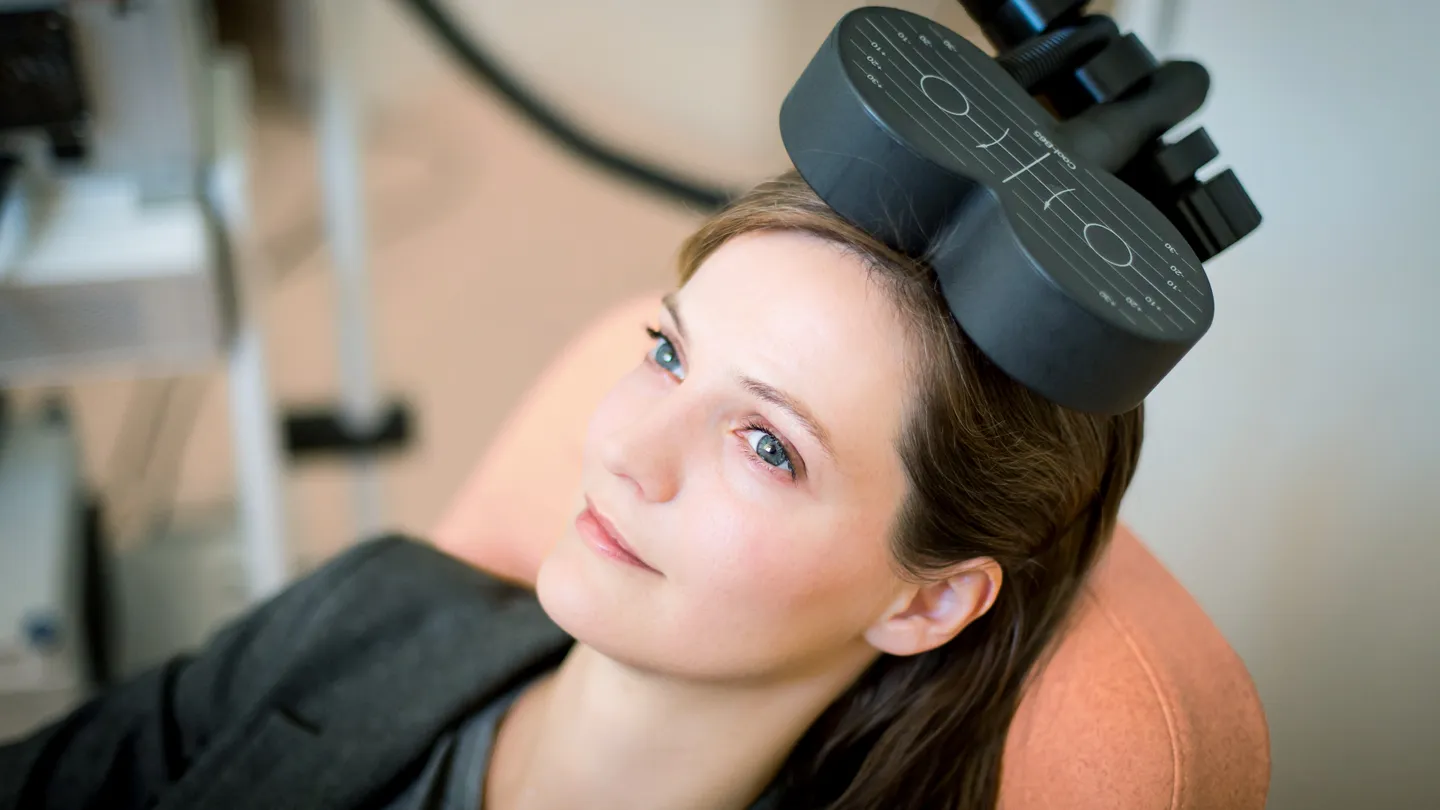
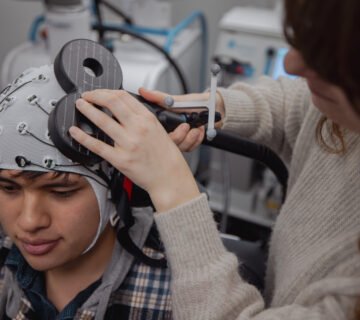
A small device sits gently on your head. It sends magnetic pulses right into the specific brain regions that aren’t doing their job as well as they should. These pulses don’t hurt. They don’t go “inside” your head. They just activate the brain from the outside.
Many people are surprised by how simple it feels. It’s not dramatic. It’s not scary. It’s just steady tapping sensations while you sit comfortably in a chair.
- No medication needed.
- No sedation.
- No needles.
- No downtime.
You can literally finish a TMS session and go grab coffee or head back to work.
Why TMS Has Become Such a Meaningful Option
People don’t choose TMS out of curiosity.
They choose it because they’re tired. Exhausted. Done with feeling like they’re stuck inside their own mind.
- Here are the most common reasons people try it:
- They didn’t get the relief they expected from medication.
- Therapy helped… but not enough
- Their symptoms keep returning despite treatment.
- They react badly to meds.
- They prefer something noninvasive.
- A depression treatment specialist recommended it.
When you’ve tried almost everything and still don’t feel like yourself, TMS can be a huge breath of fresh air.
How TMS Helps with Depression (In Real Human Words)
Depression slows down the parts of the brain responsible for hope, motivation, and clear thinking. It’s like those sections are on “low power mode.” No amount of willpower can force them to work better.
- TMS stimulates those exact areas.
- When the brain responds, people start feeling things like
- “I don’t feel as heavy today.”
- “My mind isn’t stuck in that dark loop.”
- “I finally had energy this morning.”
- “I didn’t break down today for no reason.”
A depression treatment specialist may combine TMS with talk therapy or even supplements for mental wellness. Together, these create actual long-term improvement.
How TMS Helps with Anxiety Disorders
Anxiety is basically the opposite of depression in terms of brain activity. Instead of slowing down, it ramps up. Your thoughts race. Your heart reacts. You feel trapped inside your own head.
- TMS calms the overfiring circuits the parts of the brain that send constant “danger” signals.
- When used with anxiety disorder therapy, it often leads to:
- More mental space
- Less overthinking
- Fewer physical panic symptoms
- Improved focus
- A sense of emotional balance
It doesn’t erase stress, but it helps the brain stop overreacting to it.
What a Real TMS Session Actually Feels Like
People imagine it like a sci-fi machine with bright lights and robotic sounds. It’s nothing like that.
A session usually feels like this:
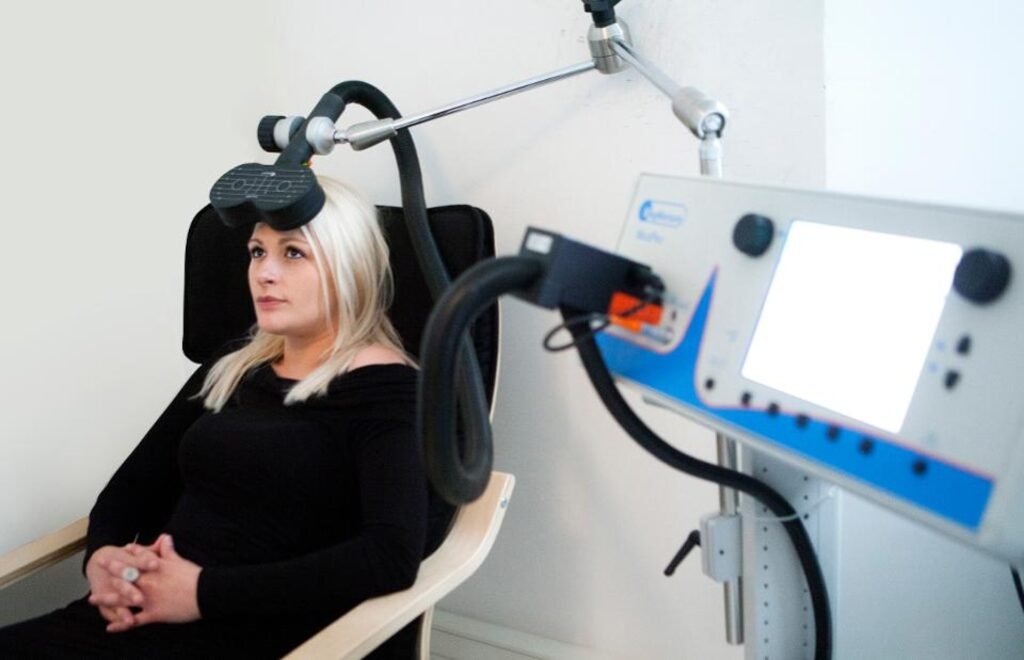
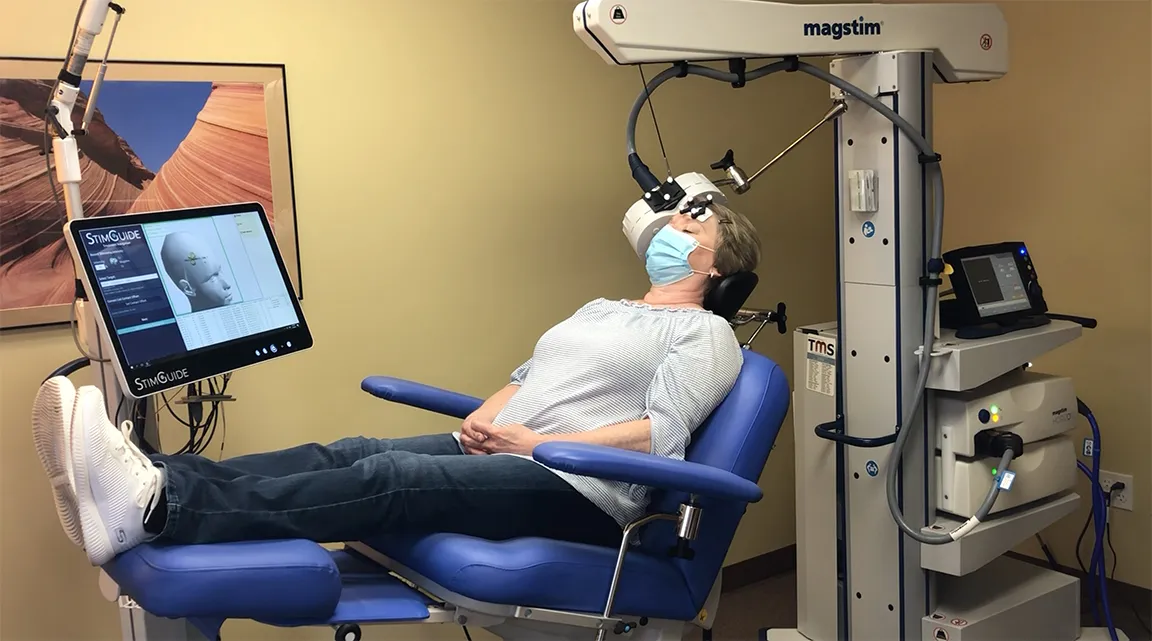
You sit in a comfortable chair. The clinician places a small coil gently against your head. You hear a clicking sound and tapping sensation. The first time you notice it. After a few sessions, your brain barely cares.
- Most patients do things like
- stare at the wall
- Talk to the clinician.
- listen to music
- Think about what to eat later.
- It lasts around 20–40 minutes.
- Then you leave.
- No fogginess. No grogginess.
It becomes part of your routine, in the same way people go to the gym or therapy.
When Do People Start Feeling Better?
The first few weeks usually feel like nothing is happening. But that’s how the brain works—slowly, quietly.
Somewhere around week 3 or 4, small signs begin to show up:
- You don’t wake up miserable.
- You can focus for longer.
- The anxiety spikes feel weaker.
- You laugh more.
- Your motivation returns in small waves.
The changes are subtle but steady. That’s the difference between artificial stimulation and natural healing—TMS supports your brain so it can function the way it’s supposed to.
Is TMS Safe? Really Safe?
Yes. TMS has been studied more times than most treatments out there. It’s FDA-cleared. It’s non-invasive. It doesn’t require changing your entire medication plan.
Mild side effects may include:
- Slight headache
- Tingling on the scalp
- Temporary tiredness
- Most people barely notice after the first week.
For people sensitive to medication, this is one of the biggest advantages.
Supporting TMS with Healthy Habits and Supplements
TMS works on the brain, but your body also influences your emotional health more than most people realize.
Some people see better progress when they combine TMS with:
- consistent sleep
- mild exercise
- deeper breathing
- stress management
- therapy
- supplements for mental wellness (only when approved by a clinician)
Supplements don’t replace treatment. They support it—like vitamins for the brain.
TMS vs. Medication: What’s the Real Difference?
Medication works chemically.
- TMS works physically.
- Medication changes neurotransmitter levels.
- TMS activates the circuits that use those neurotransmitters.
- People choose TMS because:
- no dependency
- no withdrawal
- no daily pills
- no chemical side effects
- It’s very safe.
- works with or without medication
Sometimes people combine both. Sometimes they don’t need medication anymore. It depends on the individual.
Why Choosing the Right Specialist Matters
- TMS is safe, but the results depend on your clinician.
- The wrong coil placement weak results.
- The right placement = life-changing results.
- A good clinic like Bleyanpsych makes sure:
- The settings are customized.
- Your symptoms are monitored.
- Adjustments are made when needed.
- The treatment fits your lifestyle.
- You feel comfortable every step of the way.
TMS is not just a machine—it’s a partnership between you and your specialist.
Conclusion: TMS Is Not a Miracle It’s a Real Chance to Heal
Most people who try TMS aren’t looking for miracles. They just want something that finally helps. Something that doesn’t leave them numb or exhausted. Something that gives them a shot at feeling stable… hopeful… normal again.
TMS isn’t dramatic. It’s quiet, steady, and surprisingly gentle. But for many, it becomes the turning point they never thought they’d reach.
For More Information Visit our Instagram page.
FAQs
1. Can TMS help even if medication didn’t work?
Yes. Many people try TMS after medication fails or causes side effects. It stimulates the brain directly, which can help when meds don’t.
2. Do I have to stop my medication for TMS?
Not usually. TMS works fine with your current plan. A depression treatment specialist will guide you if changes are needed.

 Treatment)
No comment