Mental health care has evolved rapidly in recent years. For individuals who struggle with persistent anxiety or depression and feel stuck despite trying medications or therapy, new options are offering renewed hope. One of the most promising advancements is TMS Treatment for Anxiety, a non-invasive approach that is gaining attention for its effectiveness and safety. But an important question remains: Who is actually the right candidate for this treatment? Understanding this can help you or your loved ones make a confident and informed decision.
Understanding TMS: A Modern Approach to Mental Health
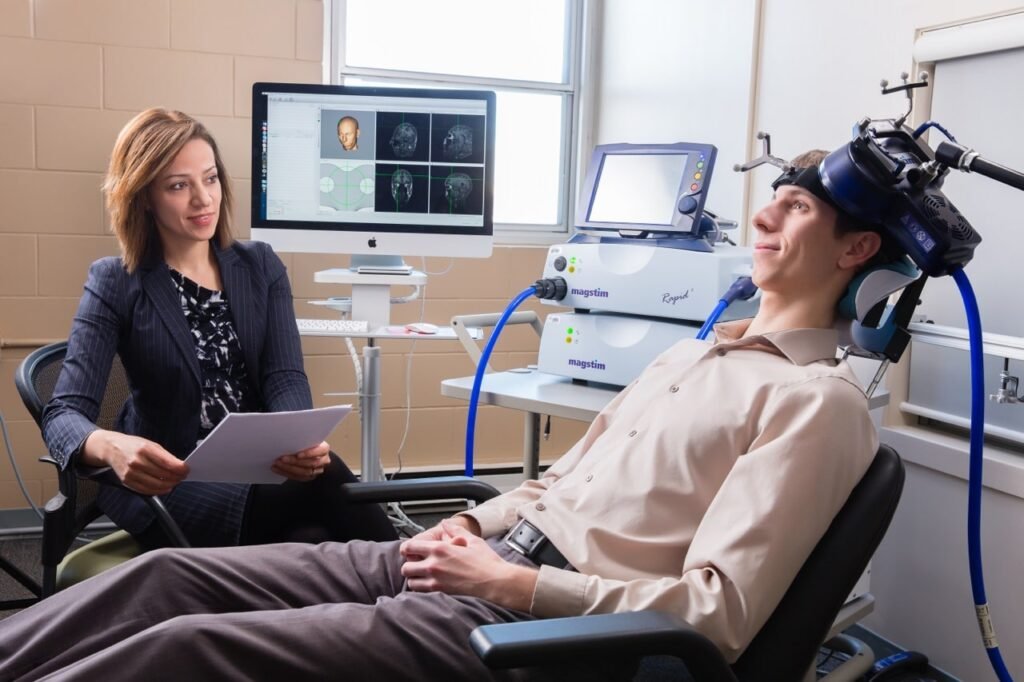
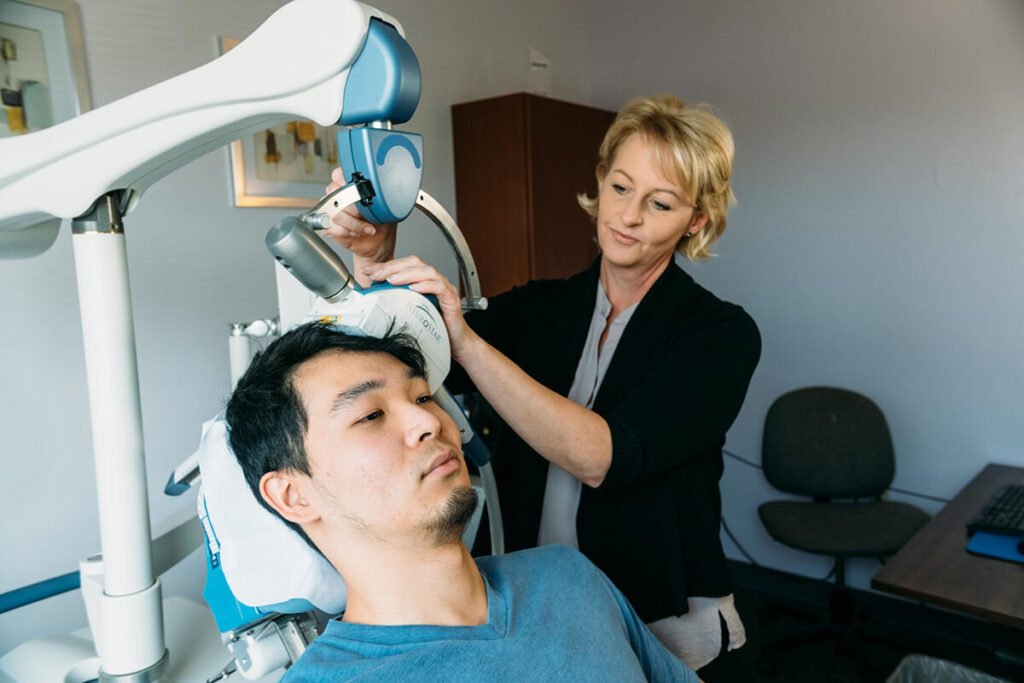
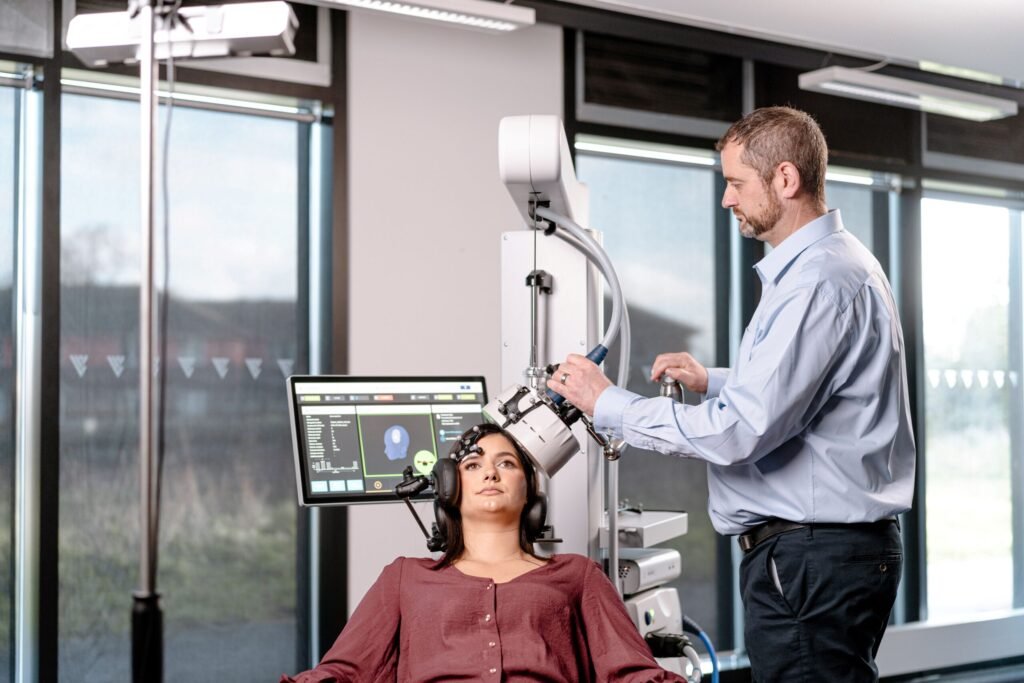
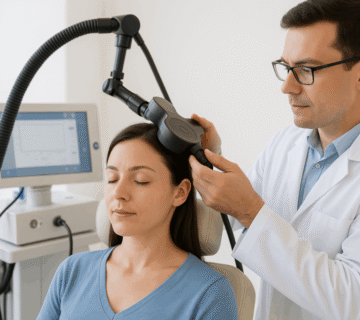
Transcranial Magnetic Stimulation (TMS) Treatment is a non-invasive therapy that uses magnetic pulses to stimulate specific areas of the brain involved in mood regulation. Unlike medications, it doesn’t circulate through the bloodstream. Instead, it directly targets neural activity—making it a valuable option for those who haven’t responded well to traditional treatments. In clinics offering Integrative Psychiatry Services, TMS is often combined with therapy, lifestyle support, and personalized care plans for better long-term outcomes.
Why TMS Treatment for Anxiety Is Gaining Popularity
Anxiety disorders affect millions of people, but not everyone responds well to standard care. That’s where TMS Treatment for Anxiety stands out.
Here’s why more patients are considering it:
- It’s non-invasive and drug-free
- Minimal side effects compared to medication
- No sedation or recovery time required
- Can be used alongside Anxiety Disorder Therapy
- Suitable for long-term mental wellness strategies
Many patients under General Psychiatry Treatment are now being evaluated for TMS when traditional approaches fall short.
Who Is the Ideal Candidate for TMS Therapy?
Not everyone needs TMS—but for certain individuals, it can be life-changing.
1. Individuals with Treatment-Resistant Anxiety or Depression
If you’ve tried medications or therapy without significant improvement, you may be an excellent candidate. Many patients working with a Depression Treatment Specialist turn to TMS after limited success with antidepressants.
2. Those Experiencing Medication Side Effects
Some people cannot tolerate psychiatric medications due to side effects like weight gain, fatigue, or emotional numbness. TMS offers a drug-free alternative.
3. Patients Seeking Non-Invasive Options
If you prefer avoiding medications or invasive procedures, TMS provides a safe and comfortable treatment path.
4. Individuals with OCD Symptoms
TMS is increasingly used in Obsessive Compulsive Disorder (Ocd) Care, especially when traditional therapy alone isn’t enough.
5. Patients Committed to Structured Treatment Plans
TMS requires consistency—typically multiple sessions per week over several weeks. Ideal candidates are those who can commit to this schedule.
6. Adults Looking for Advanced Mental Health Solutions
While research is ongoing for younger populations, most candidates are adults seeking advanced care through a qualified Psychiatrist in Coral Springs FL, or a similar specialist.
When TMS May Not Be the Right Fit
While TMS is safe, it isn’t suitable for everyone.
You may not be an ideal candidate if:
- You have metal implants in or near the head
- You have a history of seizures (in some cases)
- You are looking for immediate, one-session results
- You are unable to attend regular sessions
A professional evaluation in a trusted psychiatry Coral Springs FL clinic can determine eligibility.
How TMS Fits into Integrative Mental Health Care
TMS works best when it’s part of a broader care plan.
Leading clinics offering Integrative Psychiatry Services often combine TMS with:
- Talk therapy and counseling
- Nutritional Guidance and Supplements for Mental Wellness
- Lifestyle adjustments (sleep, exercise, stress management)
- Personalized mental health strategies
Experts like Dr. Diana Bleyan MD, emphasize that combining treatments leads to more sustainable improvements.
The Role of Supplements and Holistic Support
While TMS directly targets brain activity, overall wellness plays a key role in recovery.
Patients often ask: What are the best supplements for mental health?
Some commonly discussed options include:
- Mental wellness supplements for mood balance
- Vitamins that support brain function
- Nutritional support alongside therapy
However, these should always be guided by a professional. A qualified mental health care provider in Coral Springs can help tailor recommendations safely.
Benefits You Can Expect from TMS Treatment
For the right candidate, the benefits can be significant:
- Improved mood and emotional stability
- Reduced anxiety symptoms
- Better focus and mental clarity
- Enhanced response to therapy
- Long-lasting results without medication dependency
Many patients report noticeable improvement within a few weeks of starting Transcranial Magnetic Stimulation (TMS) Treatment.
Expert Tips Before Starting TMS
If you’re considering TMS, keep these practical tips in mind:
- Choose experienced, insurance-friendly TMS centers
- Discuss your full medical history openly
- Stay consistent with sessions for the best results
- Combine TMS with therapy for deeper healing
- Avoid expecting overnight transformation—progress is gradual
Working with a trusted psychiatrist coral springs fl ensures a safe and personalized journey.
Common Mistakes to Avoid
Patients sometimes approach TMS with unrealistic expectations. Avoid these pitfalls:
- Expecting instant results after one session
- Skipping sessions or inconsistent attendance
- Ignoring complementary therapies
- Self-prescribing supplements without guidance
Mental health improvement is a process, and TMS is one powerful piece of the puzzle—not a standalone miracle.
Final Thoughts
If you’ve been searching for a solution that goes beyond traditional medication, TMS Treatment for Anxiety may be worth exploring. It offers a modern, targeted approach that aligns with today’s personalized mental health care strategies. The key is proper evaluation. Consulting a qualified expert in integrative psychiatry in Florida can help determine whether TMS is right for your unique needs.
For more updates and details, visit our Instagram Page!
FAQs
1. Is TMS Treatment for Anxiety safe?
Yes, it is considered safe and FDA-approved for certain conditions. It is non-invasive and does not require anesthesia.
2. How long does a TMS session take?
Sessions typically last 20–40 minutes, and patients can return to daily activities immediately afterward.
3. Can TMS replace medication completely?
In some cases, yes—but it depends on the individual. A Depression Treatment Specialist can guide this decision.
4. Does TMS help with OCD?
Yes, TMS is increasingly used in Obsessive Compulsive Disorder (Ocd) Care, especially for treatment-resistant cases.
5. Are results permanent?
Results can be long-lasting, especially when combined with therapy and lifestyle improvements.
 Treatment?)
No comment