

When depression is not improving the way it should, many people assume the next step is obvious: increase the dose, switch prescriptions, or add another medication. In real psychiatric practice, that is not always the best move. A thoughtful Depression Treatment Doctor looks at the whole clinical picture first, including what has already been tried, how well medications were tolerated, how severe symptoms are, and whether a noninvasive option like Transcranial Magnetic Stimulation (TMS) Treatment may fit better before another medication change.
That decision matters because medication adjustments can help some patients, but they can also bring new side effects, delayed improvement, or added uncertainty when someone is already exhausted by depression. TMS is FDA-cleared for major depression and is commonly considered when prior depression treatments have not worked well enough. It is noninvasive and works by using magnetic pulses to stimulate targeted brain circuits linked to mood regulation.
For a practice built around Integrative Psychiatry Services and General Psychiatry Treatment, this topic is especially important. Public profiles for Dr. Diana Bleyan describe a double board-certified psychiatrist in general and integrative psychiatry who provides psychiatry and TMS services in Florida, with an in-depth, holistic approach that may include medication management, psychotherapy, supplements, natural remedies, and mind-body wellness. That kind of clinical model naturally supports a more careful decision-making process before simply changing medication again.
Why medication changes are not always the first answer
It is easy to think of depression care as a straight line: first medication, then a different medication, then a higher dose. But depression rarely behaves that neatly. Some patients improve only partially. Others feel emotionally flat, overly tired, restless, or unable to tolerate side effects. In those cases, another medication adjustment may still be reasonable, but it is not automatically the most strategic next step. This is where a skilled Depression Treatment Specialist starts asking better questions.
A psychiatrist may pause before changing medication if the patient has already had multiple trials, if side effects have been a problem, or if symptom relief has been inconsistent. TMS can become relevant here because it offers a different treatment mechanism than standard antidepressants. Rather than circulating through the whole body, it targets specific brain regions involved in depression. That difference is one reason some clinicians consider it before layering on more medication complexity.
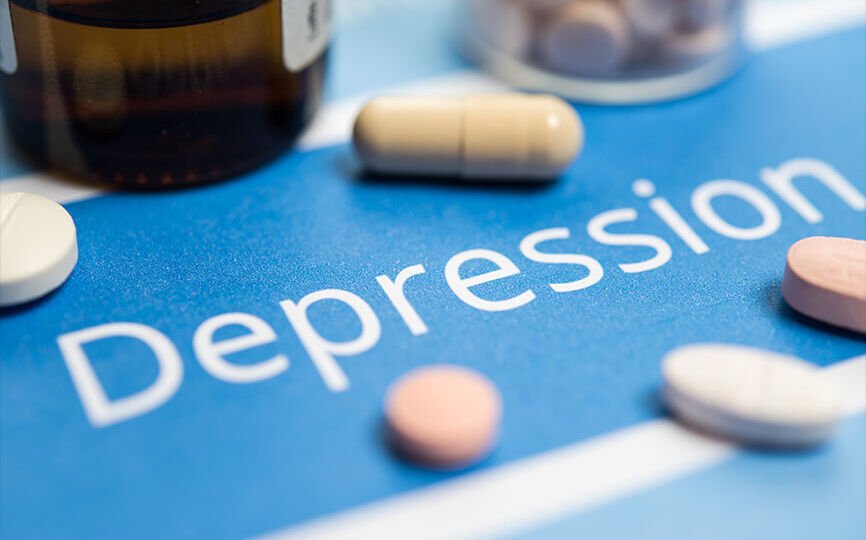
What makes TMS a serious option in depression care?
TMS is not a fringe therapy or a wellness trend. It is an established brain stimulation treatment used in psychiatry, especially for depression that has not responded adequately to prior treatment. Mayo Clinic describes TMS as a noninvasive procedure that uses magnetic fields to stimulate nerve cells in the brain to improve symptoms of major depression, and notes it is usually used when other depression treatments have not been effective. NIMH likewise describes repetitive TMS as a noninvasive therapy that uses repeated low-intensity pulses to stimulate neurons and neural circuits in the brain.
There is also long-standing expert support for its role in treatment-resistant depression. A Clinical TMS Society consensus review concluded that daily left prefrontal TMS has substantial evidence of efficacy and safety for the acute treatment phase of depression in patients who are treatment resistant or intolerant. That is why a Depression Treatment Doctor may view TMS not as a last-ditch measure, but as a reasonable next step when medication changes are more likely to create burden than benefit.
When a psychiatrist may prefer TMS over another medication adjustment
1. The patient has already tried medications without enough relief
One of the clearest reasons is simple treatment history. If someone has already gone through one or more antidepressant trials without meaningful improvement, repeating the same pattern may not be the most efficient path. TMS is often considered in exactly this setting.
2. Side effects are already getting in the way
Medication changes do not happen in theory. They happen in real lives. A patient may already be dealing with fatigue, sexual side effects, nausea, emotional blunting, weight concerns, or sleep disruption. CMS notes that when used as an antidepressant therapy, TMS can produce clinical benefit without the systemic side effects associated with standard oral medications. That makes it an important option for patients who are tired of trading one problem for another.
3. The psychiatrist wants to avoid adding too many variables at once
Another medication switch can make it harder to tell what is helping, what is hurting, and what the patient is actually responding to. With TMS, the care team may be able to introduce a new evidence-based treatment without immediately complicating the medication picture. In some cases, clearer sequencing can make overall treatment planning easier. This is a clinical inference supported by the distinct mechanism and non-systemic nature of TMS.
4. Depression is part of a more complex symptom picture
Some patients also have anxiety, OCD symptoms, sleep disturbance, trauma-related symptoms, or mood instability. Public information about Dr. Diana Bleyan’s practice notes experience with anxiety, depression, PTSD, sleep disorders, mood disorders, OCD, adjustment disorder, medication management, psychotherapy, supplements, and mind-body wellness. In a practice like that, the decision is less about chasing one symptom and more about building a broader strategy.
How Personalized Depression Care changes the decision
Personalized Depression Care begins with pattern recognition
A strong psychiatric decision is rarely just about whether a medication “worked.” It is about how it worked, how much it helped, how long it took, what it changed, and what it cost the patient in side effects or daily functioning. That is where Personalized Depression Care becomes so valuable. Instead of assuming every setback calls for another prescription change, the psychiatrist looks for patterns in the patient’s response history.
In practice, that can mean asking whether the person is sensitive to medication, whether prior trials were incomplete, whether anxiety is amplifying depressive symptoms, or whether there are barriers like poor sleep, chronic stress, or inconsistent follow-up. Those details can influence whether TMS makes more sense than another medication adjustment.
Personalized Depression Care supports smarter sequencing
This is also where Personalized Depression Care becomes a strong clinical and SEO angle. The real question is not “medication or TMS?” The better question is “what should come next for this specific person?” In some cases, medication changes are absolutely appropriate. In others, a psychiatrist may conclude that TMS offers a better next step because it adds a new mechanism of action without further increasing medication burden.
The role of Integrative Psychiatry Services in this choice
A practice offering Integrative Psychiatry Services often approaches depression with a wider lens. That does not mean replacing evidence-based medicine. It means combining conventional psychiatry with carefully selected complementary strategies. Dr. Bleyan’s public profiles describe integrative psychiatry as a holistic approach that combines conventional psychiatric treatment with complementary therapies, including medication, psychotherapy, lifestyle modifications, nutritional interventions, and mind-body wellness.
That matters because when TMS is being considered, the psychiatrist is not only asking whether depression is present. They are also evaluating sleep, therapy needs, stress load, nutrition, adherence, and coexisting conditions. That kind of broader assessment may be one reason a clinician recommends TMS before immediately changing medication again.
Where supplements fit and where they do not
Patients often ask about Supplements for Mental Wellness, the best vitamins for mental health, or what are the best supplements for mental health. Those are common questions, especially in integrative settings. But good psychiatry is careful here. Supplements can be part of a broader wellness conversation, yet they are not substitutes for structured depression treatment, and they should not be presented as guaranteed ways to replace medication or make TMS work better.
For content quality and clinical credibility, it is better to frame mental wellness supplements, supplements for mental health, or a specific term like reacted iron supplement as individualized considerations that may be reviewed within an overall treatment plan. A Depression Treatment Doctor can evaluate these options safely, ensuring that any supplement is integrated thoughtfully into a patient’s personalized care plan rather than making broad or unverified promises.
Why do local patients search this topic differently?
People searching for a Psychiatrist in Coral Springs FL, coral springs psychiatrist, or psychiatrist coral springs fl, are often not looking for abstract information. They want to know how a real psychiatrist thinks through treatment choices. They want to understand whether a practice offers thoughtful care, whether TMS is available, and whether they will be pushed straight into another medication change or offered a broader discussion first.
That local search intent also overlaps naturally with phrases like depression treatment Coral Springs, mental health care in Coral Springs, and integrative psychiatry Florida. A Depression Treatment Doctor not only answers clinical questions but also shows how a psychiatric practice approaches care in a real-world setting, helping patients find personalized and effective treatment options close to home.
Benefits of recommending TMS before medication changes
One benefit is preserving treatment momentum without automatically increasing medication complexity. Another is reducing the risk of piling new side effects onto an already frustrated patient. TMS may also feel more acceptable to people who are hesitant about another medication change after prior disappointing experiences.
There is also a strategic benefit: TMS gives the psychiatrist another evidence-based tool within General Psychiatry Treatment. A Depression Treatment Doctor can use TMS to individualize care, offering patients an alternative to the standard medication pathway. This approach often aligns with what patients seek when they ask for more thoughtful, personalized treatment for their mental health.
Common mistakes patients make when thinking about TMS
One mistake is assuming TMS is only for people who have “failed everything.” That is too simplistic. While it is commonly used after other treatments have not worked well enough, it may be considered before repeated medication changes when the clinical picture supports it. Another mistake is treating TMS and medication as mutually exclusive. In reality, psychiatrists may use TMS alongside medication, with stable medication, or as part of a broader treatment plan that also includes therapy and lifestyle work.
A third mistake is assuming depression is the only issue that matters. Many patients also need Anxiety Disorder Therapy, support for sleep or trauma symptoms, or even Obsessive Compulsive Disorder (OCD) Care. Those layers can influence which treatment step makes the most sense next.
Practical questions to ask a Depression Treatment Specialist
Ask how many medication trials have already been attempted and what the doctor considers “enough” before considering TMS. Ask whether side effects are part of the reason for avoiding another medication change. Ask how TMS would fit with therapy, sleep support, and any current prescriptions. Ask what outcomes will be tracked beyond mood alone. These questions usually lead to a better conversation than simply asking, “Should I change meds?”

Final thoughts
A skilled Depression Treatment Doctor does not automatically reach for the prescription pad every time depression remains stubborn. Sometimes the better move is to step back, review the full response pattern, and consider whether Transcranial Magnetic Stimulation (TMS) Treatment offers a smarter next step than another medication change.
That is especially true in a practice centered on Integrative Psychiatry Services, General Psychiatry Treatment, and individualized planning. For patients seeking a Depression Treatment Specialist or Psychiatrist in Coral Springs FL, the most reassuring message is often this: your treatment plan should not just be active, it should be thoughtful. If depression has not improved and medication changes feel like more of the same, TMS may be worth discussing as part of a more personalized path forward.
For more updates and details, visit our Instagram Page!
FAQs
Why would a Depression Treatment Doctor recommend TMS before changing medication?
Because another medication change is not always the best next step. If prior medications have not helped enough, or if side effects are already a problem, TMS may offer a different evidence-based approach without adding more systemic medication burden.
Is TMS only used after many medications fail?
Not necessarily. It is commonly used after inadequate response to prior treatments, but some psychiatrists may consider it before repeated medication changes if the patient’s treatment history, tolerance, and clinical needs make that approach more appropriate.
Can I still take medication during TMS?
Often yes, but that depends on the psychiatrist’s plan. TMS is frequently integrated into broader psychiatric treatment rather than replacing every other intervention.
Does integrative psychiatry mean avoiding medication?
No. Integrative psychiatry combines conventional psychiatric treatment with complementary therapies when appropriate. Public descriptions of Dr. Bleyan’s practice specifically include medication management as part of care.
Are supplements enough for depression if I do not want medication changes?
Usually not by themselves. Supplements may sometimes be reviewed as part of a broader plan, but structured psychiatric care remains essential for significant depression.


No comment