

Anxiety disorders affect millions of people, yet many individuals struggle to find lasting relief even after trying medication, counseling, or lifestyle changes. An Anxiety Treatment Specialist can provide targeted strategies that go beyond traditional approaches, addressing the neurological patterns that drive persistent anxiety symptoms for more effective, personalized care. This is why many psychiatrists are exploring whether Anxiety Disorder Therapy can be more effective when paired with advanced brain-based treatments like Transcranial Magnetic Stimulation (TMS) Treatment. Instead of replacing therapy, TMS may strengthen it by targeting the brain circuits involved in mood regulation, stress response, and cognitive processing.
For an experienced Anxiety Treatment Specialist, the goal is not simply to reduce symptoms temporarily. It is creating a long-term treatment strategy that addresses both the psychological and neurological aspects of anxiety. When combined thoughtfully within General Psychiatry Treatment, therapy, and TMS can work together to support deeper recovery.
Understanding How Anxiety Disorders Affect the Brain
Anxiety is not just a feeling of worry. It involves complex neurological patterns that influence how the brain processes threat, stress, and emotional regulation.
Brain regions involved in anxiety include:
-
The amygdala, which processes fear responses
-
The prefrontal cortex, which regulates decision-making and emotional control
-
Neural circuits connected to stress hormones and emotional memory
When these systems become overactive, individuals may experience persistent symptoms such as racing thoughts, panic attacks, muscle tension, sleep disturbance, and difficulty concentrating. Traditional Anxiety Disorder Therapy focuses on helping patients change their thought patterns and behavioral responses. While highly effective for many people, therapy alone may not fully correct the neurological imbalance driving chronic anxiety. This is where Transcranial Magnetic Stimulation (TMS) Treatment may offer additional support.

What Is TMS and Why Are Psychiatrists Using It?
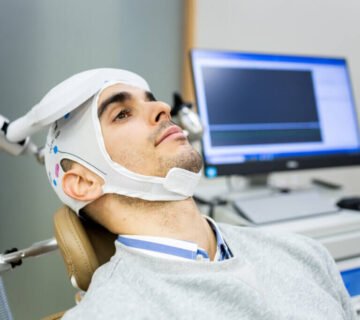
TMS is a non-invasive procedure that uses targeted magnetic pulses to stimulate areas of the brain involved in mood and emotional regulation. Unlike medication, which circulates through the entire body, TMS works locally on specific brain networks. This approach allows psychiatrists to influence neural activity without systemic side effects commonly associated with antidepressants or anti-anxiety medications.
Many Depression Treatment Specialists already use TMS for treatment-resistant depression. More recently, clinicians have begun integrating TMS into broader mental health plans where anxiety symptoms overlap with mood disorders. An experienced Psychiatrist in Coral Springs FL may consider TMS when anxiety symptoms remain severe despite therapy and medication.
Why Advanced Anxiety Care Often Combines Therapy and Brain-Based Treatment
Advanced Anxiety Care Focuses on Both Mind and Brain
Anxiety involves both psychological patterns and biological processes. Therapy helps patients understand triggers, manage thoughts, and develop coping skills. TMS, on the other hand, may help regulate the brain circuits responsible for emotional reactivity. When both approaches are combined, patients receive a more complete form of care. This integrated strategy is often referred to as Advanced Anxiety Care because it addresses multiple aspects of mental health simultaneously rather than relying on a single treatment method.
Therapy Builds Skills While TMS Supports Brain Regulation
During Anxiety Disorder Therapy, patients learn practical techniques such as:
-
Cognitive restructuring
-
Exposure strategies
-
Emotional regulation techniques
-
Stress management practices
However, individuals with severe anxiety sometimes struggle to apply these skills because their nervous system remains in a heightened state of stress. In these cases, Transcranial Magnetic Stimulation (TMS) Treatment may help calm overactive neural circuits, allowing therapy techniques to work more effectively.
The Role of Integrative Psychiatry Services in Anxiety Treatment
Modern psychiatric care increasingly emphasizes personalized treatment strategies. Clinics offering Integrative Psychiatry Services often combine multiple therapeutic approaches to support long-term mental wellness.
This may include:
-
Medication management when necessary
-
Structured General Psychiatry Treatment Plans
-
Psychotherapy referrals
-
Lifestyle and stress management guidance
-
Brain-based therapies like TMS
-
Carefully monitored supplements for mental health
A psychiatrist practicing integrative psychiatry Florida philosophy may also evaluate sleep quality, nutrition, hormonal factors, and environmental stressors that contribute to anxiety. The goal is to build a comprehensive treatment strategy rather than focusing on a single symptom.
Conditions Where TMS May Support Anxiety Treatment
While anxiety is often treated with therapy and medication, TMS may be considered when symptoms are persistent or resistant to traditional care.
Generalized Anxiety Disorder
Patients with chronic worry and constant mental tension may benefit when TMS is incorporated alongside therapy.
Panic Disorder
TMS may help regulate brain circuits involved in fear responses, potentially improving therapy outcomes.
Anxiety Linked With Depression
Many individuals experiencing depression treatment in Coral Springs programs also report anxiety symptoms. TMS is frequently used in these overlapping conditions.
Obsessive-Compulsive Disorder
Specialized TMS protocols are sometimes used within Obsessive Compulsive Disorder (OCD) Care plans.
Benefits of Combining Anxiety Therapy With TMS
Integrating therapy with TMS can provide several advantages.
Improved emotional regulation
By stimulating targeted brain regions, TMS may help balance neural activity linked to anxiety.
Enhanced therapy effectiveness
When brain activity becomes more regulated, patients may find it easier to apply therapy techniques.
Reduced medication reliance
Some patients prefer non-pharmacological options when exploring advanced mental health treatments.
Personalized treatment strategies
An Anxiety Treatment Specialist can tailor treatment plans based on individual symptom patterns.
Expert Insights From an Anxiety Treatment Specialist
Mental health treatment rarely works best as a single intervention. Experienced psychiatrists understand that anxiety often involves multiple overlapping factors.
A provider such as Dr. Diana Bleyan, Diana Bleyan MD, or other professionals practicing psychiatry in Coral Springs, FL, may evaluate:
-
The severity of anxiety symptoms
-
Past treatment history
-
Co-existing depression or mood disorders
-
Stress levels and lifestyle patterns
-
Nutritional health and potential deficiencies
Patients often ask about mental wellness supplements, the best vitamins for mental health, or what are the best supplements for mental health. While certain mental health supplements may support overall wellness, they should always be reviewed by a qualified professional. Even products like a reacted iron supplement should only be used when medically appropriate.
Common Mistakes People Make When Treating Anxiety
Even with growing awareness of mental health care, several misunderstandings remain.
Relying on medication alone
Medication can be helpful, but therapy and lifestyle strategies remain essential components of recovery.
Ignoring neurological factors
Chronic anxiety often involves brain circuit imbalances that therapy alone may not fully address.
Self-prescribing supplements
Patients sometimes experiment with supplements for mental wellness without medical supervision.
Avoiding professional help
Working with a qualified Coral Springs psychiatrist or psychiatrist Coral Springs FL can significantly improve treatment outcomes.

Final Thoughts
Mental health treatment is evolving rapidly, and new therapies are expanding the possibilities for people struggling with persistent anxiety. Combining Anxiety Disorder Therapy with Transcranial Magnetic Stimulation (TMS) Treatment represents a promising direction in modern psychiatric care. By addressing both psychological and neurological aspects of anxiety, this integrated approach can provide more comprehensive results.
For individuals seeking mental health care in Coral Springs, working with an experienced Anxiety Treatment Specialist or Psychiatrist in Coral Springs FL, may help determine whether TMS and therapy together could provide a more effective path toward recovery. If anxiety continues to interfere with daily life despite traditional treatment, exploring advanced options through Integrative Psychiatry Services may be the next step toward lasting mental wellness.
For more updates and details, visit our Instagram Page!
FAQs
Can TMS treat anxiety disorders?
TMS is primarily approved for depression but is increasingly used within broader treatment plans where anxiety symptoms are present.
Is therapy still necessary if I receive TMS?
Yes. Therapy remains one of the most effective ways to address thought patterns and behavioral responses linked to anxiety.
How long does TMS treatment usually take?
Most treatment programs involve several sessions per week over a four-to-six-week period.
Do insurance providers cover TMS therapy?
Many insurance-friendly TMS centers offer coverage options, although eligibility varies by provider.
Should I take supplements for anxiety?
Certain supplements for mental health may support wellness, but they should always be recommended by a medical professional.


No comment