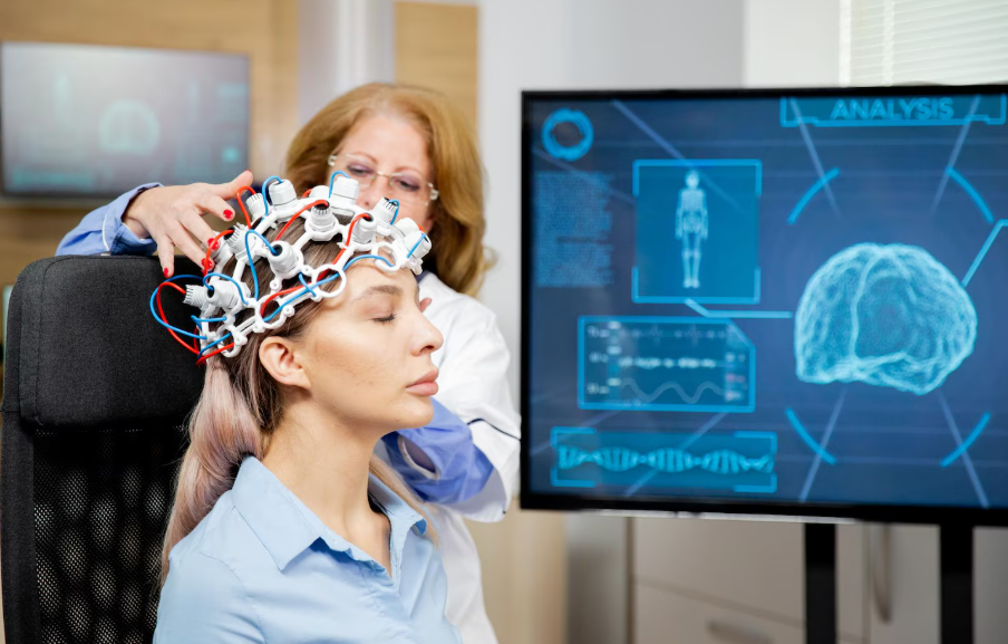
Transcranial magnetic stimulation, commonly called TMS, is a non-invasive treatment used for several psychiatric conditions, including major depressive disorder. Many people beginning TMS are already taking antidepressants or other psychiatric medications, which naturally raises an important question: should those medications remain the same during treatment?
In many cases, medication can be continued while TMS is being performed. However, TMS and Medication Changes should always be coordinated with the clinicians managing both treatments because some medication changes can influence brain excitability, treatment monitoring or seizure threshold.
Can TMS Be Used While Taking Antidepressants?
Yes. TMS is commonly provided while patients continue antidepressants and other psychiatric medications.
Clinical TMS Society recommendations state that TMS may be administered either with or without concurrent antidepressant or other psychotropic medication.
This is particularly relevant because many patients are referred for TMS after experiencing an incomplete response to one or more antidepressant treatments.
Starting TMS therefore does not automatically mean medication needs to be stopped.
Why Are Medications Often Kept Stable During TMS?
Keeping medications relatively stable can make it easier for the treatment team to evaluate response and monitor safety.
If several medications are started, stopped or substantially adjusted at the same time TMS begins, it can become more difficult to determine what is contributing to symptom improvement or new side effects.
Medication changes may also affect cortical excitability. During TMS treatment, clinicians determine a patient’s motor threshold — the amount of stimulation required to produce a particular motor response. This measurement helps determine treatment intensity.
Consensus recommendations advise clinicians to document medication use and to consider reassessing motor threshold when a medication change could affect seizure threshold.
Does That Mean Medications Should Never Change?
No. There are circumstances where changing medication during a TMS course may be clinically necessary.
For example, a patient may develop troublesome medication side effects, experience worsening symptoms or require treatment for another medical condition. A psychiatrist may also determine that a medication adjustment is appropriate as part of the broader treatment plan.
The important point is that medication changes should be communicated to the TMS team rather than made independently.
Clinical recommendations specifically encourage patients and prescribing clinicians to inform TMS staff about medication changes during treatment.

Which Medications Matter During TMS?
The treatment team generally needs a complete medication list rather than information about antidepressants alone.
Medications that influence the central nervous system may potentially affect cortical excitability or seizure threshold. Depending on the patient’s situation, clinicians may pay particular attention to antidepressants, benzodiazepines, stimulants, anticonvulsants and other psychotropic medications.
This does not automatically mean those medicines are unsafe with TMS or must be stopped. Instead, their presence helps the clinician make informed decisions about treatment parameters and monitoring.
Prescription medications taken for non-psychiatric conditions should also be reported.
What About Benzodiazepines or Anticonvulsants?
Questions frequently arise about medications that reduce or alter neuronal excitability.
Research into whether particular medication classes change the effectiveness of TMS is still evolving. Medication effects may depend on the drug, dose, TMS protocol, diagnosis and individual patient.
For that reason, patients should not abruptly discontinue benzodiazepines, anticonvulsants or other medications in an attempt to make TMS “work better.” Sudden withdrawal from certain medications can itself create significant medical risks.
Any proposed reduction or discontinuation should be planned with the prescribing clinician.
Why Is Seizure Threshold Important?
Seizure is a rare but recognized potential adverse effect of TMS.
Certain medications, medication withdrawal, sleep deprivation, alcohol or substance use and other factors may influence seizure risk. Consequently, TMS clinics typically review these factors before treatment and continue asking about relevant changes during the treatment course.
Consensus guidance recommends reviewing medication changes and considering repeat motor-threshold testing when a change may meaningfully alter seizure threshold.
Patients should therefore tell the treatment team about new prescriptions, discontinued medications and meaningful dose changes.
Can Medication Be Reduced After TMS Works?
Possibly, but successful TMS treatment does not automatically mean medications should immediately be discontinued.
Maintenance treatment after improvement depends on the individual’s history, number and severity of previous depressive episodes, response to medication, relapse risk and clinician recommendations.
Some patients may continue their existing medication regimen. Others may eventually adjust medication under psychiatric supervision.
The goal is not simply to eliminate medication. It is to develop a sustainable treatment strategy that maintains symptom improvement while balancing effectiveness, side effects and patient preferences.
Conclusion
When considering TMS and Medication Changes, there is no general requirement that psychiatric medications be stopped before or during treatment. TMS is frequently delivered alongside antidepressants and other medications.
At the same time, medication changes can affect treatment monitoring and, in some cases, brain excitability or seizure threshold. Patients should therefore keep their TMS provider informed of every significant medication change and avoid stopping or adjusting psychiatric medication without guidance from the prescribing clinician.
Close communication between the patient, psychiatrist and TMS team helps ensure that both medication management and brain-stimulation treatment remain coordinated throughout the course of care.

No comment