Mental health treatment has come a long way—from heavy reliance on medication to more personalized, technology-driven solutions. Today, many patients are asking a critical question: Is newer treatment actually safer than traditional methods? One approach gaining serious attention is Brain Stimulation Therapy, particularly in the form of TMS. But how does it compare in terms of safety, effectiveness, and long-term impact? Let’s break it down in a way that truly helps you make an informed decision.
What Exactly Is Brain Stimulation Therapy?
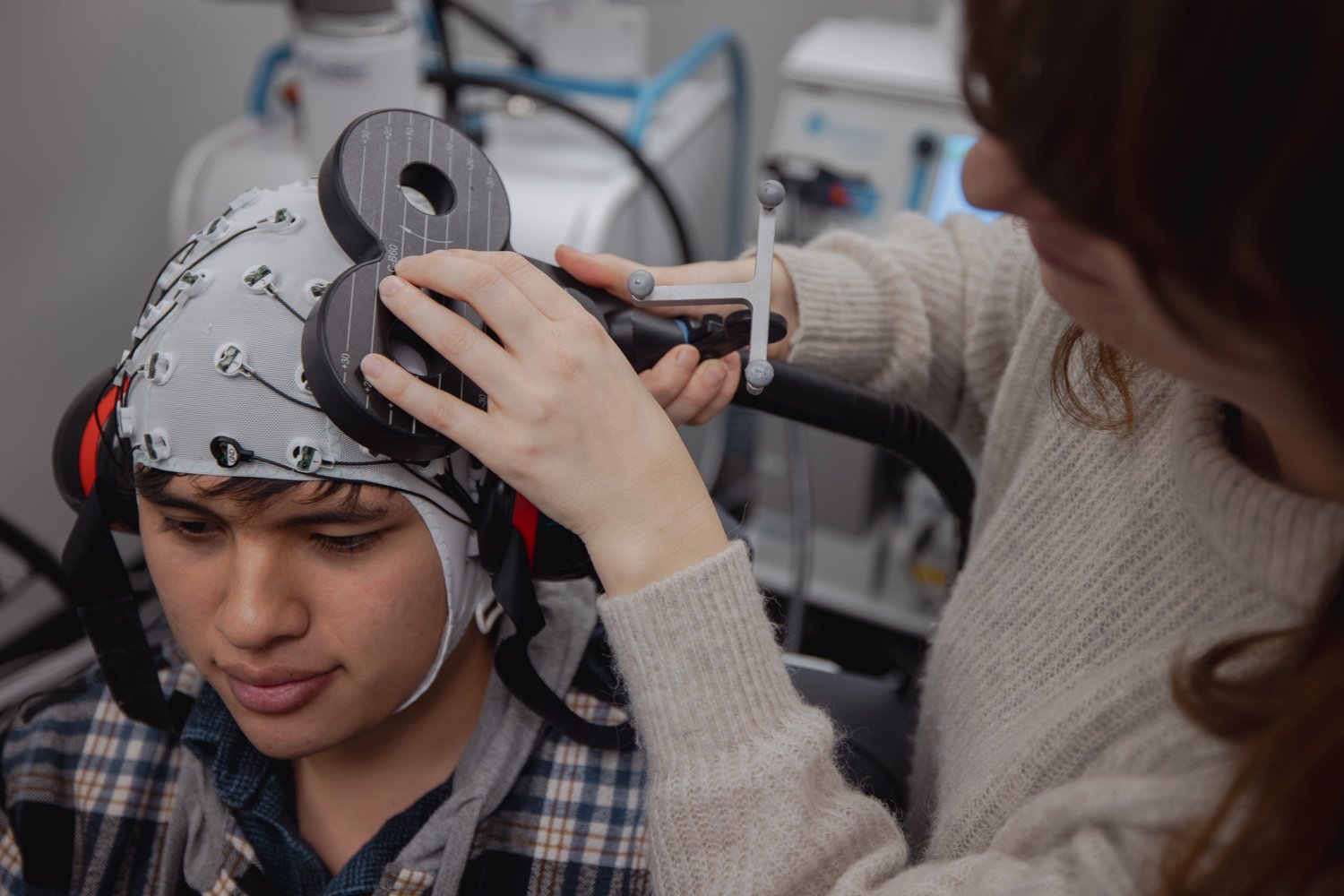
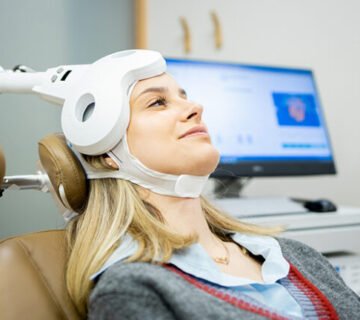
Brain Stimulation Therapy refers to techniques that directly influence brain activity to improve mental health conditions. Among these, Transcranial Magnetic Stimulation (TMS) Treatment stands out as a non-invasive, FDA-approved option.
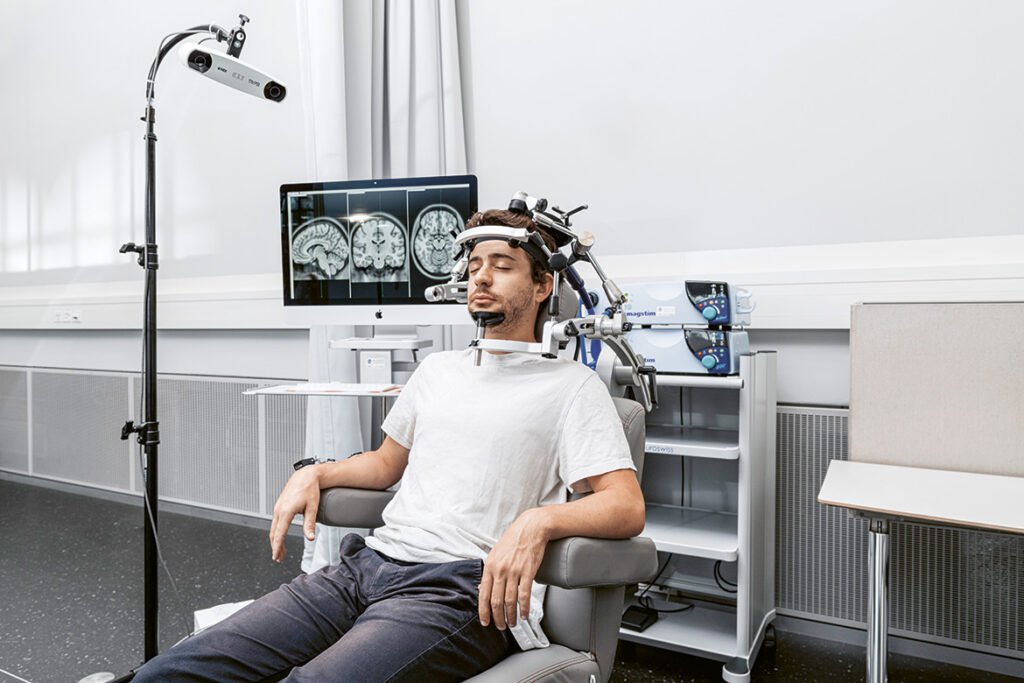
It works by delivering magnetic pulses to targeted brain areas responsible for mood regulation. Unlike medication, it doesn’t affect the entire body—only specific neural circuits. This targeted approach is why many clinics offering Integrative Psychiatry Services are now incorporating TMS into modern care plans.
Traditional Psychiatry vs. TMS: What’s the Core Difference?
Traditional psychiatry typically relies on:
- Medications (antidepressants, anti-anxiety drugs)
- Psychotherapy (talk therapy)
- Lifestyle recommendations
While effective for many, these approaches can sometimes bring challenges—especially when side effects or limited response come into play. In contrast, Brain Stimulation Therapy focuses on direct neurological activation rather than chemical changes in the body.
Key Difference in Safety Approach
- Medications: System-wide impact, potential side effects
- TMS Therapy: Localized brain stimulation, minimal systemic effects
This difference is central when evaluating safety.
Is TMS Treatment Safer Than Medication?
For many patients, the answer leans toward yes—but with context.
Why TMS Is Considered Safer for Some Individuals
- No daily medication required
- No weight gain or sexual side effects
- No sedation or dependency risk
- Minimal cognitive impact
Patients undergoing General Psychiatry Treatment often switch to TMS after experiencing side effects from medications prescribed by a Depression Treatment Specialist.
What About Side Effects of TMS?
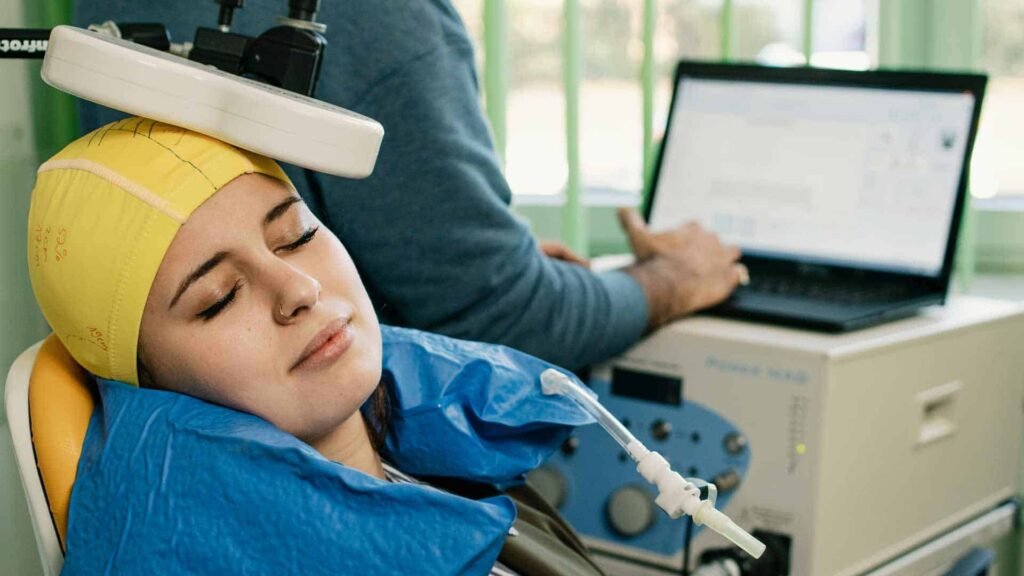
TMS is generally well-tolerated. The most common side effects include:
- Mild scalp discomfort
- Temporary headache
- Light tingling during sessions
Serious risks are rare when performed under supervision by a qualified Psychiatrist in Coral Springs FL.
Safety in Anxiety, Depression, and OCD Care
TMS isn’t just for depression anymore—it’s increasingly used across multiple conditions.
Anxiety Disorders
Patients undergoing Anxiety Disorder Therapy often find TMS helpful when therapy alone isn’t enough.
Depression
For those seeking depression treatment Coral Springs, TMS offers a non-drug alternative with proven results.
OCD Treatment
TMS is also making progress in Obsessive Compulsive Disorder (Ocd) Care, especially for treatment-resistant cases. Because it doesn’t interfere with daily functioning, patients can continue their normal routines during treatment.
How Safe Is TMS in Real Clinical Settings?
Safety isn’t just about theory—it’s about real-world application.
In clinics specializing in mental health care in Coral Springs, TMS is delivered in a controlled environment:
- Personalized treatment mapping
- Continuous monitoring during sessions
- Gradual adjustment of stimulation levels
- Ongoing evaluation of progress
Experts like Dr. Diana Bleyan MD, emphasize patient-specific care, ensuring that each session is both safe and effective.
The Role of Integrative Psychiatry in Enhancing Safety
Safety improves significantly when TMS is not used in isolation.
Clinics offering integrative psychiatry in Florida often combine:
- TMS therapy
- Nutritional Support and Supplements for Mental Wellness
- Behavioral therapy
- Lifestyle optimization
Patients frequently ask, “What are the best supplements for mental health?” While options like mental wellness supplements and vitamins can help, they should always be guided by professionals. Combining therapies reduces risks and enhances long-term stability.
When TMS May Not Be the Safest Option
Even though TMS is widely considered safe, it’s not ideal for everyone.
You may need alternative approaches if:
- You have metal implants near the head
- You have a history of seizures (in certain cases)
- You cannot commit to regular sessions
- You expect instant results
A proper consultation with a Coral Springs psychiatrist helps determine the safest path forward.
Benefits That Go Beyond Safety
Safety is important—but effectiveness matters too.
Patients choosing Brain Stimulation Therapy often experience:
- Improved emotional balance
- Reduced anxiety symptoms
- Better focus and clarity
- Enhanced response to therapy
- Long-term symptom relief
These benefits make TMS an attractive option within modern psychiatry practices.
Expert Insights
If you’re considering TMS, keep these insights in mind:
- Always choose insurance-friendly TMS centers
- Don’t skip evaluation—proper diagnosis matters
- Combine TMS with therapy for the best outcomes
- Be patient—results build gradually over weeks
Working with an experienced psychiatrist in Coral Springs ensures both safety and effectiveness.
Common Mistakes Patients Should Avoid
Even safe treatments can fail if approached incorrectly.
Avoid these common issues:
- Expecting immediate results
- Ignoring therapy alongside TMS
- Self-prescribing supplements for mental health
- Choosing clinics without proper expertise
Mental health recovery is a journey, not a shortcut.
Final Thoughts
The shift toward Brain Stimulation Therapy reflects a broader movement in mental health—one that prioritizes precision, personalization, and patient comfort. While traditional methods still play an important role, TMS offers a safer and more targeted alternative for many individuals, especially those who haven’t found relief through standard approaches.
For more updates and details, visit our Instagram Page!
FAQs
1. Is Brain Stimulation Therapy painful?
No, most patients describe it as mild tapping or tingling. It is not painful or invasive.
2. Can TMS replace medication completely?
In some cases, yes. However, a Depression Treatment Specialist will decide what’s best for your condition.
3. Is TMS safe for long-term use?
Yes, many patients undergo maintenance sessions safely over time.
4. Does TMS affect memory or thinking?
No, unlike some treatments, TMS does not impair memory or cognitive function.
5. How do I know if TMS is right for me?
Consult a qualified psychiatrist in Coral Springs, FL, for a full evaluation and personalized plan.

 Treatment Compared to Traditional Psychiatry Approaches?)
No comment